)

UK’s first city-wide visitor levy comes into effect in Edinburgh
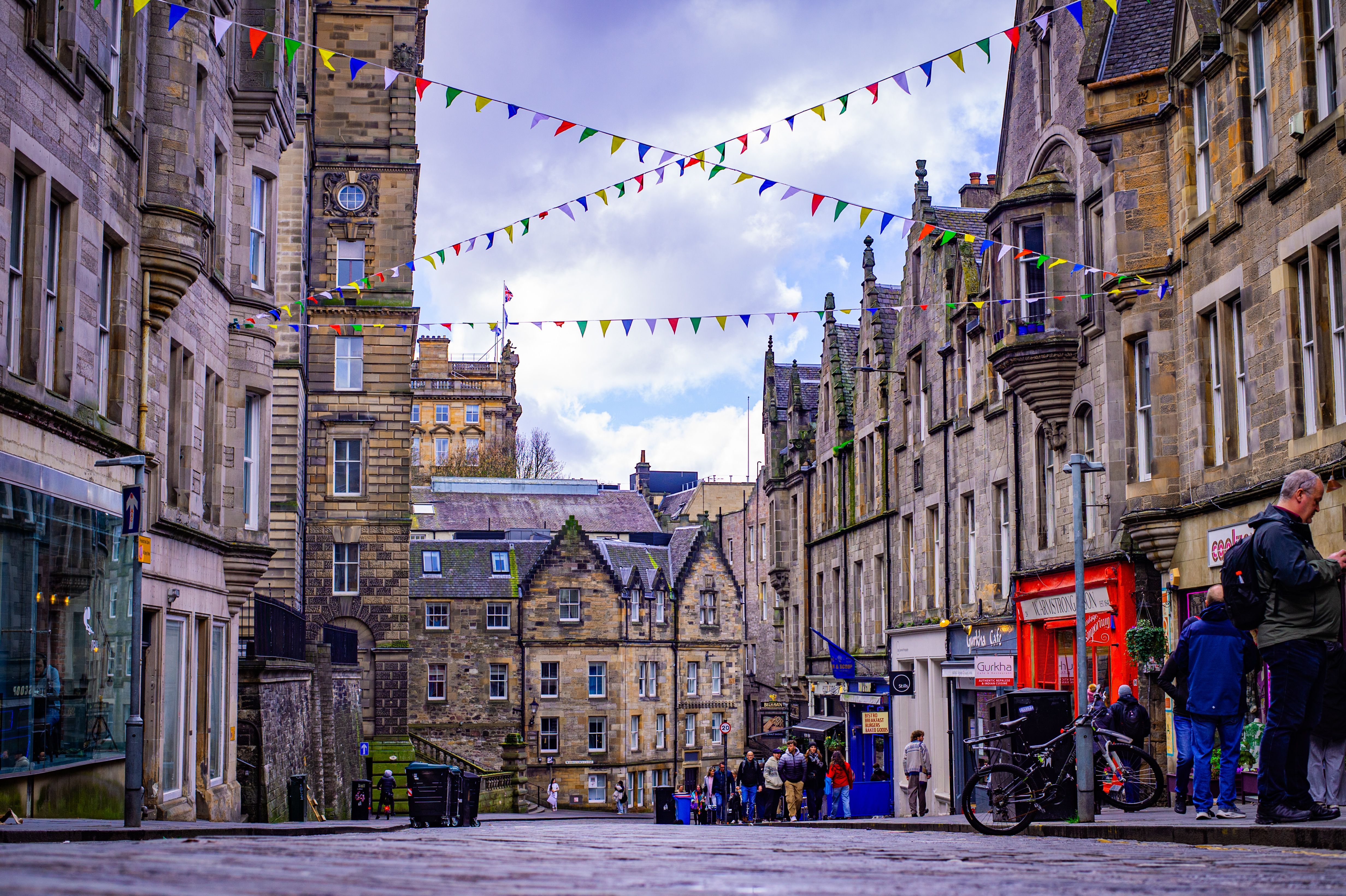
Edinburgh has today, 24 July 2026, become the first UK city to introduce a mandatory city-wide visitor levy, adding a 5% charge to the cost of overnight accommodation. The levy’s introduction was confirmed by City of Edinburgh Council.
The charge applies to stays taking place from today that were booked and paid for, either in part or in full, on or after 1 October 2025. Stays paid for before that date are not subject to the levy.
Hotels, aparthotels, B&Bs, guest houses, hostels, self-catering properties, short-term lets and paid accommodation at caravan and campsites are among the accommodation types included. The scheme covers the entire City of Edinburgh Council area and applies throughout the year.
The levy is calculated at 5% of the accommodation cost before VAT and applies only to the first five consecutive nights of a stay. Extras such as meals, drinks, parking and transport are excluded.
It is payable by leisure and business travellers, including visitors from elsewhere in Scotland and the rest of the UK. Businesses operating below the VAT registration threshold must also collect the levy. Full information about which stays are covered is available on the council’s visitor levy website.
For example, five nights of accommodation costing £200 per night before VAT would attract a levy of £50 before any applicable VAT. A longer stay at the same nightly rate would incur the same levy because the charge is capped at five nights.
Accommodation providers are responsible for collecting the levy and submitting quarterly returns through the national visitor levy platform. They must maintain accurate transaction records, with their first returns and payments due in October 2026. The council has published guidance for accommodation providers.
The scheme is projected to generate up to £50 million annually once fully established. After administration costs, £5 million a year will be allocated to housing and measures intended to mitigate the effects of tourism, while £2 million will be distributed through participatory budgeting during the scheme’s first three years.
Accommodation providers will receive 2% of the funds they remit to offset their administration costs. The remaining proceeds will be divided between city operations and infrastructure, receiving 55%; culture, heritage and events, allocated 35%; and destination and visitor management, receiving 10%. These allocations are set out in the council’s final scheme.
Planned investment includes additional cleaning and waste services, work to tackle graffiti, improvements to public spaces and visitor infrastructure, the restoration of cultural buildings and the creation of a dedicated city-centre policing unit.
Marking the levy’s introduction, City of Edinburgh Council leader Jane Meagher said the city now had “a unique opportunity to invest more” in the things that make Edinburgh special.
She said the city’s popularity placed pressure on services and residents, adding that the contribution from overnight visitors would help improve public spaces and manage the effects of tourism and major events. Meagher’s launch comments were reported by STV News.
The scheme has divided the hospitality and tourism industries. Supporters argue that it creates a dedicated source of funding for maintaining the destination and managing the pressures associated with high visitor numbers.
Neil Ellis, chair of the Edinburgh Hotels Association, welcomed the levy when the final scheme was approved in January 2025, specifically citing its intended use in “improving the experience of all visitors”. He described it as an opportunity to enhance Edinburgh’s international reputation.
However, industry organisations have raised concerns about visitor costs, Edinburgh’s competitiveness and the additional workload facing accommodation businesses.
Leon Thompson, executive director of UKHospitality Scotland, described the launch as “a landmark moment for all the wrong reasons”. He warned that the levy would increase costs for visitors and urged other Scottish councils considering similar schemes to undertake detailed economic-impact assessments. His comments were published as the levy came into force.
The Scottish Tourism Alliance has also called for the scheme’s economic effects to be monitored. Chief executive Marc Crothall said there was “great uncertainty around how visitors will respond”, questioning whether travellers might avoid overnight stays, shorten their visits or reduce spending in restaurants, pubs, shops and attractions.
Garry Clark, the Federation of Small Businesses’ east of Scotland engagement manager, said collecting and explaining the levy would “add to the workload” during an already demanding period for accommodation providers. The FSB has asked visitors to be patient if booking or check-in procedures take longer during the scheme’s opening weeks. Clark’s full response was also published on the day of the launch.
Robert Richardson, chief executive of the Instiute of Hospitality, commented: "Whilst the Institute does not have a formal position on the Edinburgh Visitor Levy, my personal view is that, where revenue is genuinely ring-fenced and reinvested into the local area, there are clear potential benefits. However, given the significant tax burden currently facing hospitality businesses and the ongoing cost of living pressures, I do seriously question whether now is the right time for its introduction, and the sense behind our businesses incurring yet another tax.
"As a former hotelier, I can also appreciate the practical challenges of implementing and administering such a levy, particularly for operators already managing rising costs and increasing regulatory requirements.
I"n short, this is not the time to impose more regulation or taxation on an over taxed profession, but there is some good news and we should recognise that we are in the early days of a new Government, and I welcome the fact that Prime Minister Andy Burnham appears to value our profession in a way that has been missing in recent years."
The council will review the scheme every three years, assessing its effect on businesses, visitors and communities. It must also report publicly on the amount collected, how the money is spent and the benefits delivered.
Edinburgh’s experience will be watched closely across Scotland. Glasgow, Aberdeen and Stirling councils have also voted to introduce visitor levies, while other local authorities are considering whether to develop schemes of their own.
)
)
)
)
)
)
)
)
)
)
)
)
)
)
)
)
)
)
)
)
)
)
)
)
)
)
)
)
)
)
)
)
)
)
)
)
)
)
)
)
)
)
)