
Small hotel. Big impact: Building loyalty, telling stories and making marketing count
For independent hotels, making an impact starts with understanding what makes a stay memorable. Personal service, thoughtful partnerships and relevant communications can all help smaller properties build recognition and encourage guests to return.
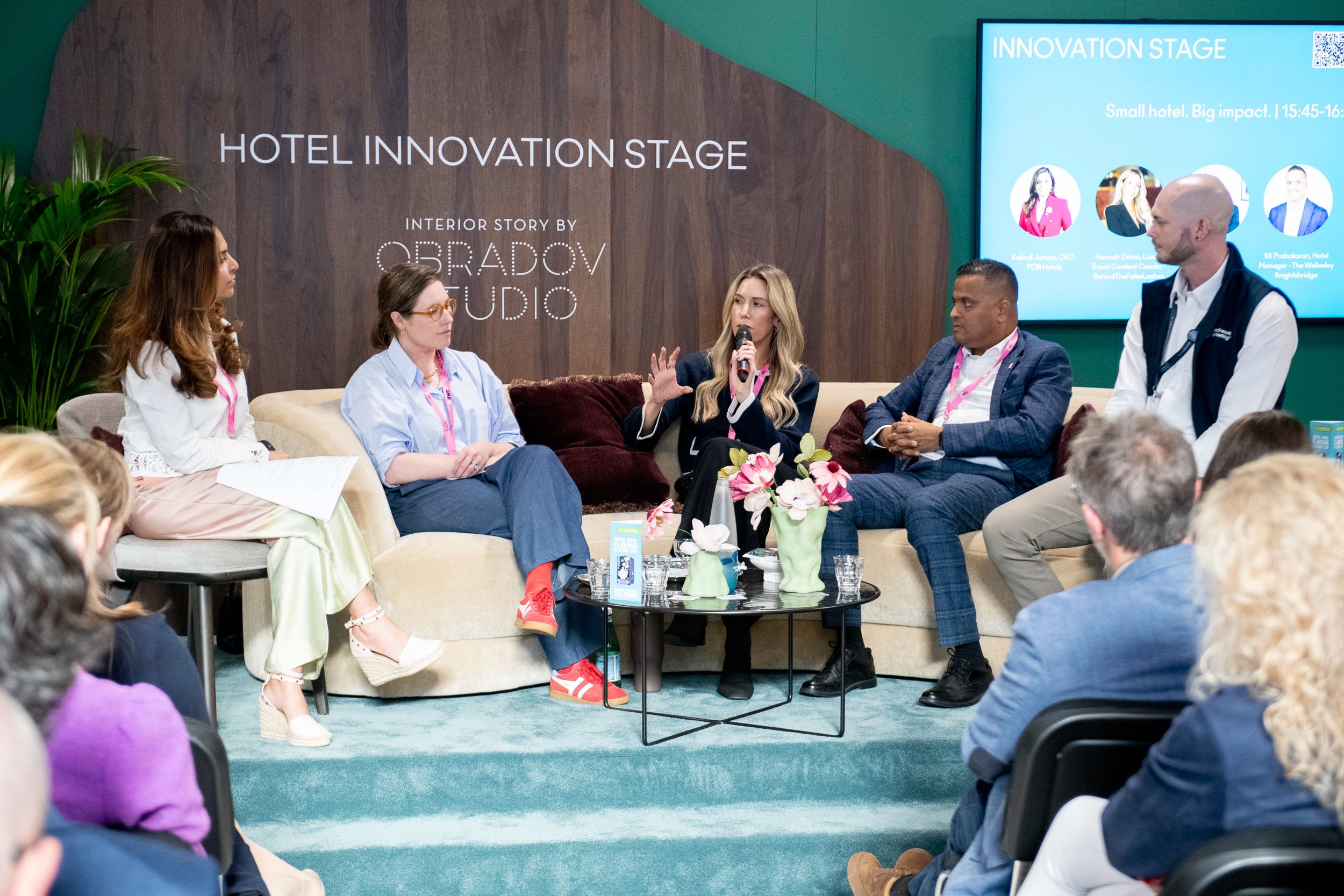
At Independent Hotel Show London, in partnership with James Hallam Insurance Brokers, ‘Small hotel. Big impact.’ explored how hoteliers can turn these strengths into practical marketing opportunities. Moderated by Kalindi Juneja, CEO of PoB Hotels, the panel brought together Hannah Dolan, Luxury Travel Content Creator at BehindTheFalseLashes; Katie Hart, Brand Director at Sesame Market; KK Prabakaran, Hotel Manager at The Wellesley Knightsbridge; and Mark Durber, SEO & Business Marketing Manager at Clockwork Marketing.
Their discussion considered how independent hotels can make their resources work harder, from investing in existing guests to creating content that reflects why people travel.
Start with the guests who already know you
Attracting new customers often dominates marketing conversations, but the panel highlighted the potential of guests who have already stayed.
Returning guests understand the property and know what to expect. Building on that relationship can encourage further bookings while creating opportunities for recommendations to friends, family and colleagues.
Prabakaran shared The Wellesley Knightsbridge’s focus on guest retention through personalised service and direct communication, including WhatsApp. The emphasis was on maintaining a useful connection and making it easy for guests to engage with the hotel.
For smaller properties with limited resources, this offers a practical starting point: consider how much attention existing guests receive, what would encourage them to return and how the hotel can keep that relationship relevant.
Make personalisation feel thoughtful
Effective personalisation depends on understanding what matters to an individual guest. Recognising a preference or anticipating a practical need can make a stay feel more considered.
The panel also highlighted the importance of knowing what guests dislike. A gesture intended to delight will only work if it suits the person receiving it.
The aim is to use information to improve the experience. Recognition should feel helpful and natural, with each detail serving a clear purpose.
This connects service directly with marketing. A guest who feels understood has a reason to return and an experience worth sharing. Consistent, attentive hospitality can therefore become a powerful source of word-of-mouth recommendations.
Target the reason for the trip
Durber encouraged hotels to think beyond demographic categories and consider the motivations behind a booking.
Someone travelling with a dog, planning a restorative break or seeking a particular dining experience has specific questions and priorities. Addressing those needs gives marketing a clearer focus and helps prospective guests picture themselves at the property.
Existing data can support this approach. Hart discussed using customer relationship management and property management systems to understand guest behaviour and tailor communications.
Dining preferences offer a straightforward example. Guests who have booked afternoon tea are likely to find a relevant afternoon-tea update more useful than a general email containing every hotel offer.
Connecting these insights helps hotels send more purposeful messages, with a stronger reason for the recipient to pay attention.
Tell stories through the details
Dolan highlighted the sensory details that shape a guest’s impression, from the scent of a lobby to the quality of the bed linen. These touches can help communicate the character of a hotel and give prospective visitors a sense of the experience.
Content creators can bring an outside perspective to that storytelling, noticing features that a hotel team may take for granted.
The panel’s advice was to choose creators whose style and audience suit the property, then provide a clear brief covering its priorities, distinctive features and desired outcomes. Giving creators room to interpret the experience in their own voice helps the resulting content feel credible and relevant to their followers.
Build partnerships that become part of the stay
Collaborations can help independent hotels express their identity and strengthen their connection to a destination.
Hart shared examples from The Priory Hotel in Dorset, including a partnership with an artist whose work draws inspiration from the Jurassic Coast. Displayed within the hotel, the artwork creates a lasting connection between the property and its surroundings.
The discussion encouraged hoteliers to consider the purpose and longevity of a partnership. A collaboration might introduce the hotel to a new audience, enrich the guest experience or support local businesses. Its value becomes clearer when that purpose is established from the outset.
Sustainability benefits from the same tangible approach. Local sourcing, credible certifications and visible operational choices give guests something specific to understand and experience. Clear examples can make the hotel’s commitments more meaningful and create opportunities for further discovery.
Create content that answers real questions
As AI tools and search engines increasingly provide answers before users reach a website, the panel explored the importance of specific, useful hotel content.
Durber highlighted the need to address guest intent throughout discovery, planning and booking. Detailed local guides, experience information, reviews and other trust signals can help travellers assess whether a property suits their needs.
For an independent hotel, local expertise is a valuable resource. Content that explains what guests can do, how they can plan their visit and what makes the experience distinctive gives people practical reasons to consider a stay.
Give every campaign a clear job
The panel also stressed the importance of defining what marketing activity is intended to achieve. Revenue, reach, engagement and guest experience require different approaches and measures.
An awareness campaign may need sustained exposure, while an offer designed to fill specific availability should have a clear booking window and end date. Keeping those objectives distinct helps hotels judge performance and avoid relying on constant promotions.
Across the discussion, the strongest opportunities came from understanding the property and its guests: recognising preferences, communicating with purpose and building experiences people want to recommend. For smaller independent hotels, those everyday strengths provide a firm foundation for growth.

















)