)

The newly formed Front of House Craft Guild on championing hospitality careers and shaping guest memories
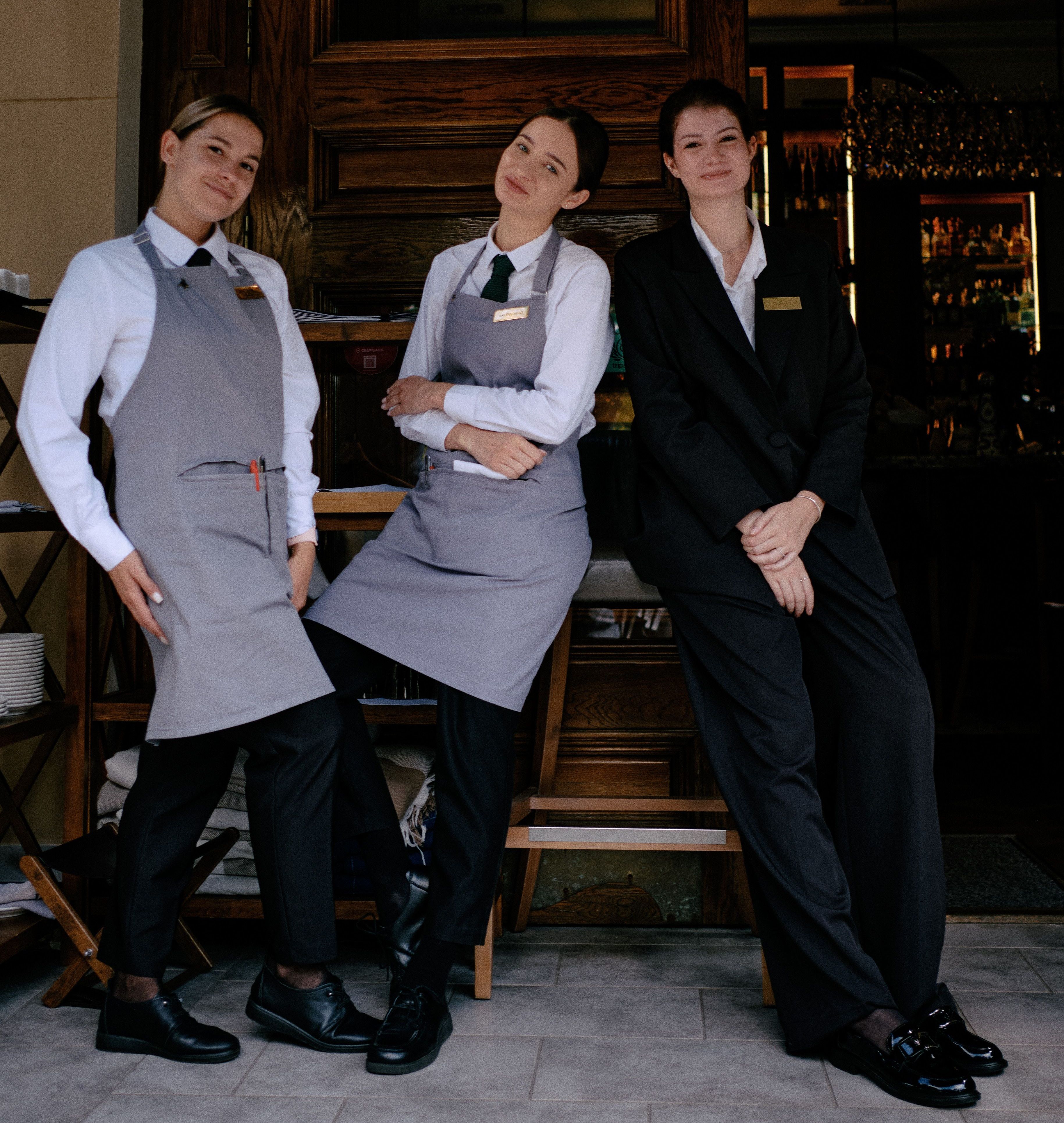
The Front of House Craft Guild has been established to raise the profile of front-of-house roles across hospitality and ensure they are recognised as professional careers in their own right.
The Guild aims to inspire, train and recognise front-of-house professionals, strengthen connections between industry and education, and create clearer development and progression opportunities across the different front-of-house disciplines.
In this Q&A, Timothy Andrews, host of the Talking Hospitality podcast, managing communications for the Guild committee, discusses the challenges facing front-of-house teams, the changing expectations of hotel guests and how employers can attract and retain the next generation of professionals.
Those interested in joining or supporting the Front of House Craft Guild can apply through the Craft Guild of Chefs membership system.
Why was now the right time to launch the Front of House Craft Guild, and what do you hope it will achieve?
Front-of-house professionals shape every stage of a hotel guest’s experience, but the skill and responsibility involved have not always received the same recognition as other hospitality crafts. With hotels addressing recruitment and retention while guest expectations continue to evolve, the time is right to give those roles a stronger collective voice. Our mission is to ensure that all front-of-house operations are recognised as professional roles. We want to connect education more closely with industry and help people see a lasting, rewarding career in front of house.
What do you think are the biggest challenges currently facing front of house professionals in the hotel sector?
Waiting and reception roles are still sometimes treated as transient work rather than professional careers. That can reduce investment in development and make it harder for people to see a future in the sector. Teams are also managing increasingly complex guest needs across face-to-face and digital channels, often with fewer colleagues. Clearer progression and relevant training, backed by the authority to resolve guest needs, would help hotels attract and retain talented people while strengthening service standards.
What does exceptional front of house service look like in 2026, and how are guest expectations changing?
Exceptional service begins with reliable standards, but guests increasingly judge a stay by how it made them feel and what they remember. They are looking for experiences, not simply efficient transactions. Front-of-house professionals help shape those memories by understanding why somebody has travelled and adapting the service accordingly. Guests still expect quick responses and smooth processes, alongside an understanding of accessibility requirements and personal preferences. The best service feels considered and individual, while giving each guest the level of attention they actually want.
As hotels embrace more technology, how can they ensure the human element of hospitality remains at the heart of the guest experience?
Technology should make the guest journey easier and improve communication between hotel departments. A declared allergen, for example, can be recorded and shared between the restaurant and room-service teams, with staff still confirming the details directly with the guest. An accessibility requirement can move from reservations to reception and housekeeping without the guest repeatedly explaining it. Some handovers can be automated, but good service still depends on people checking the information and acting on it. Technology works best when it supports human judgement and gives teams more time with their guests.
Independent and boutique hotels often pride themselves on highly personalised service. What do you think they do particularly well when it comes to front of house?
What independent and boutique hotels often do particularly well is make personal service feel natural rather than scripted. Excellent service is not defined by size, and many larger hotels deliver it to a very high standard. However, decision-makers in independent hotels are often closer to the day-to-day operation, giving front-of-house teams greater freedom to respond quickly. Teams may also know returning guests and the local area particularly well, helping people feel they have returned to a hotel that genuinely knows them.
What can hotel leaders do to attract, develop and retain the next generation of front of house professionals?
Hotels need to show young people that front of house is a genuine profession by working closely with schools and colleges and offering meaningful workplace experience. Once somebody joins, the route forward should be clear and supported by good managers and experienced mentors. Recognition can strengthen professional pride, while a supportive working environment and sustainable working patterns give people the confidence to build a long-term future in front of house.
)
)
)
)
)
)
)
)
)
)
)
)
)
)
)
)
)
)
)
)
)
)
)
)
)
)
)
)
)
)
)
)
)
)
)
)
)
)
)
)
)
)
)