
International Insights: Kimberley Cohen, Co-Founder and Artistic Director of Maisons Pariente
International Insights, a new interview series from Independent Hotel Show London, explores how hoteliers around the world approach design, service and the guest experience, with practical lessons for the UK’s independent hotel community.
For our first edition, we speak to Kimberley Cohen, Co-founder and Artistic Director of Maisons Pariente, the family-owned collection of luxury hotels in France. Ahead of the December opening of its fifth property, Saint Roch in Courchevel, she discusses creating hotels with individual character, the small details that make guests feel at home and why thoughtful hospitality starts with understanding how people use a space. From collaborations with local craftspeople to advice for hoteliers working with modest budgets, she shares an approach rooted in curiosity, comfort and personal attention.
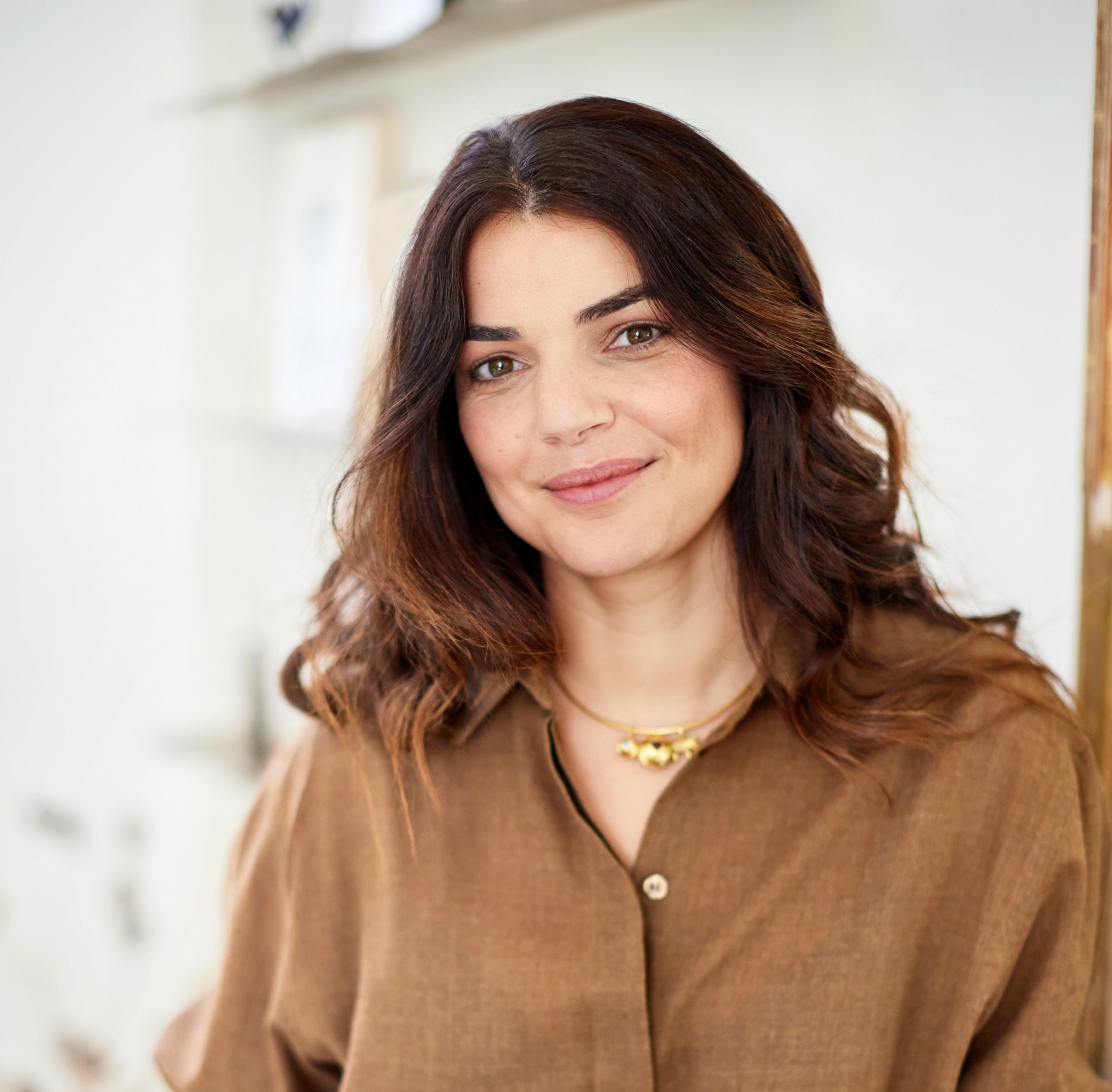
You founded Maisons Pariente with your sister and father in 2018. What was your shared vision, and how has it evolved as the collection has grown?
Maisons Pariente grew out of a shared love of travelling and of the hotels we enjoyed returning to as a family. We wanted to create houses with a strong personality, where beautiful surroundings and thoughtful service make people feel immediately comfortable. As the collection has grown, that ambition has stayed the same, but we have learned a great deal about how guests actually live in our hotels. A room can be beautiful, but you also have to think about where someone will put their suitcase, how a family spends time together or how a restaurant feels at different moments of the day. Those practical observations have become an increasingly important part of my creative process.
Your background spans fashion, hospitality and time living in New York and Los Angeles. How have those experiences influenced your approach as Artistic Director?
Fashion taught me to pay attention to colour, texture and proportion, and to understand how individual choices come together to express a personality. Living in New York and Los Angeles also exposed me to different ways of welcoming people, using spaces and bringing together design, food and social life. I did not originally train as a hotelier, so I naturally approach our hotels through the eyes of a guest. How does the light enter the room? Where do I want to sit? Is there enough privacy? I constantly put myself in that position. My role is to bring a creative vision while making sure it responds to the way people want to feel and live during their stay.
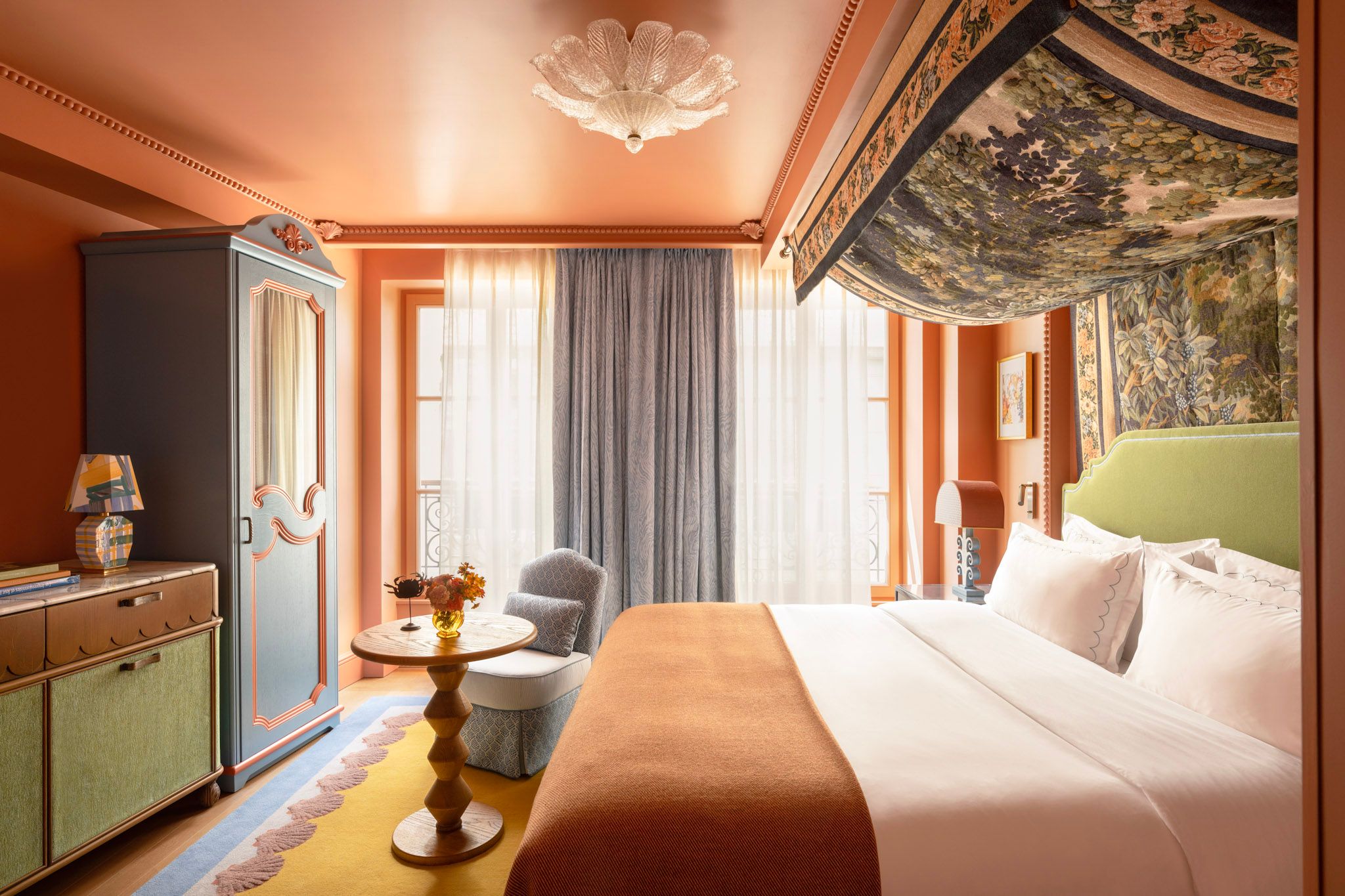
Above: Le Grand Mazarin, Paris
With Saint Roch opening in Courchevel this December, what made this the right location for the collection’s fifth hotel?
Courchevel felt like a natural next step because many of our existing guests already spend time there. Others have told us they would love to go but have yet to find a hotel with the right scale, atmosphere and personality for them. With Saint Roch, we saw an opportunity to create that house: an intimate hotel with 37 rooms and suites, a distinctive creative identity and a very personal approach to hospitality. Our connection to the Alps through Le Coucou also made this feel like a meaningful continuation of the collection, with something different to offer.
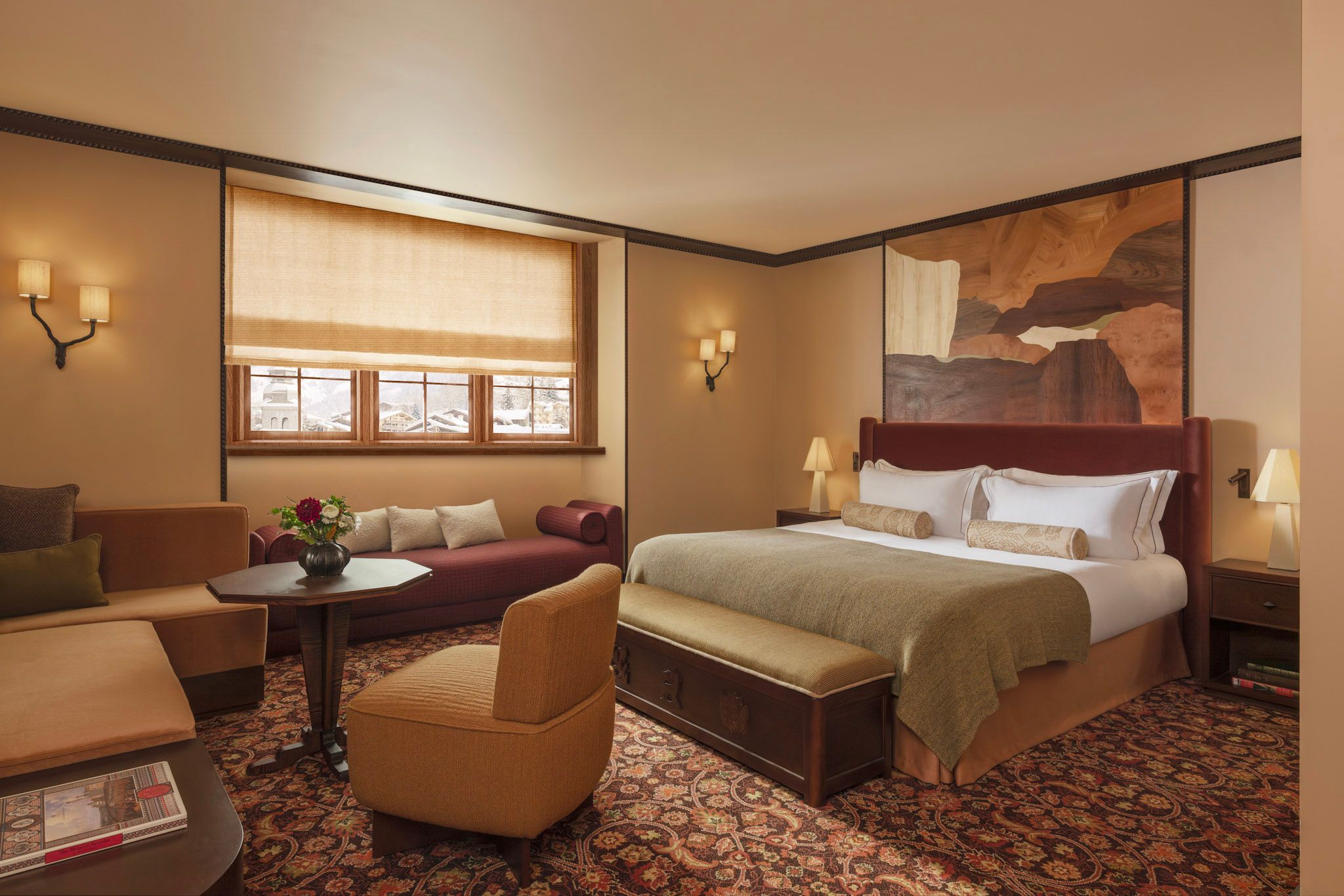
Above: Saint Roch, Courchevel
What is the creative vision for Saint Roch, and how will it offer a different experience from Le Coucou in nearby Méribel?
Courchevel and Méribel are in two sister valleys within Les Trois Vallées, but each has its own atmosphere. Their guests also have different expectations and ways of enjoying the mountains, so it was important for us to create two distinct experiences. With Friedman & Versace, we imagined Saint Roch as a datcha at altitude, inspired by mountains from elsewhere. Rich textures, colour and craftsmanship create a layered, intimate house, with references that reach beyond the traditional Alpine chalet. Yves Saint Laurent and Pierre Bergé’s datcha was one of our inspirations, and Prunier brings another connection to that story through its association with Pierre Bergé. Le Coucou expresses Pierre Yovanovitch’s interpretation of the mountains, with sculptural forms and a playful spirit. Saint Roch will have a different decorative language and a more intimate scale. They share our approach to hospitality, while giving guests different reasons to choose each house.
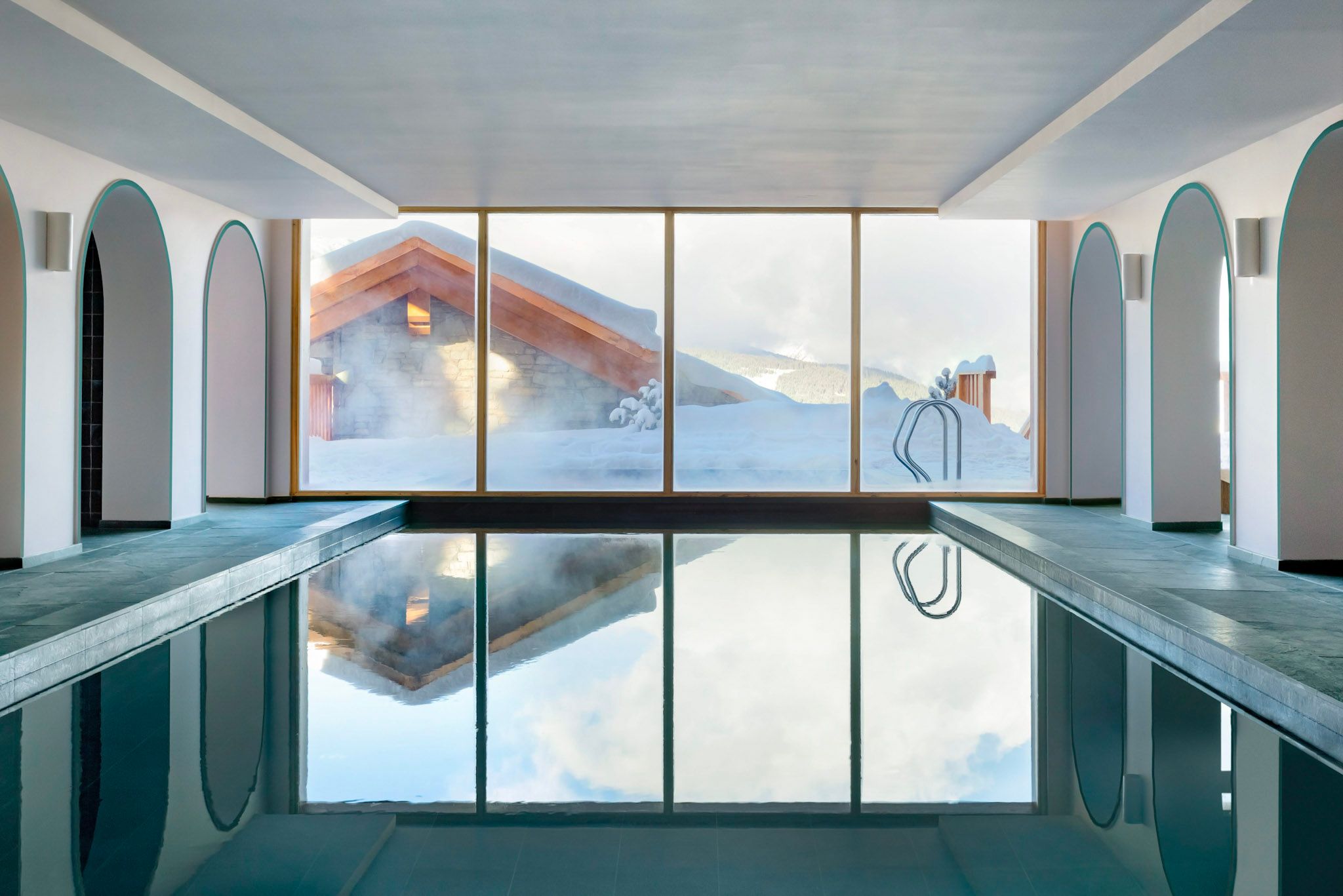
Above: Le Coucou, Méribel
Each Maisons Pariente hotel has its own personality. How do you decide which elements should connect the collection and where each property should take its own direction?
What connects our hotels is a way of welcoming people: sincere attention, comfort, generosity and service that feels natural. There is also a shared love of art and craftsmanship. In every house, these are part of its character, through the artists we invite, the objects we choose and the materials we work with. The creative direction starts afresh with each location. The light, architecture, surroundings and rhythm of life all influence our choices, as does the designer we collaborate with. Someone who knows Lou Pinet in Saint Tropez should discover something entirely different at Le Grand Mazarin in Paris, while recognising the same care and sensibility behind the experience.
You describe your hotels as elegant private homes. What specific design and service choices help create that feeling for guests?
We did not originally come from hospitality, so our starting point was how we would welcome someone into our own home. What would make them comfortable? What would give them pleasure? I think that brings sincerity and a certain spontaneity to our houses. In design, it means comfortable seating, warm lighting, books, art and objects that give a room personality. We think about where people will gather, but also where they might enjoy a quiet moment alone. The same spirit guides service. We want to anticipate guests’ wishes while leaving them free to enjoy themselves. Remembering what someone likes or preparing a thoughtful surprise should feel natural and personal. I want guests to feel cared for, without formality getting in the way.
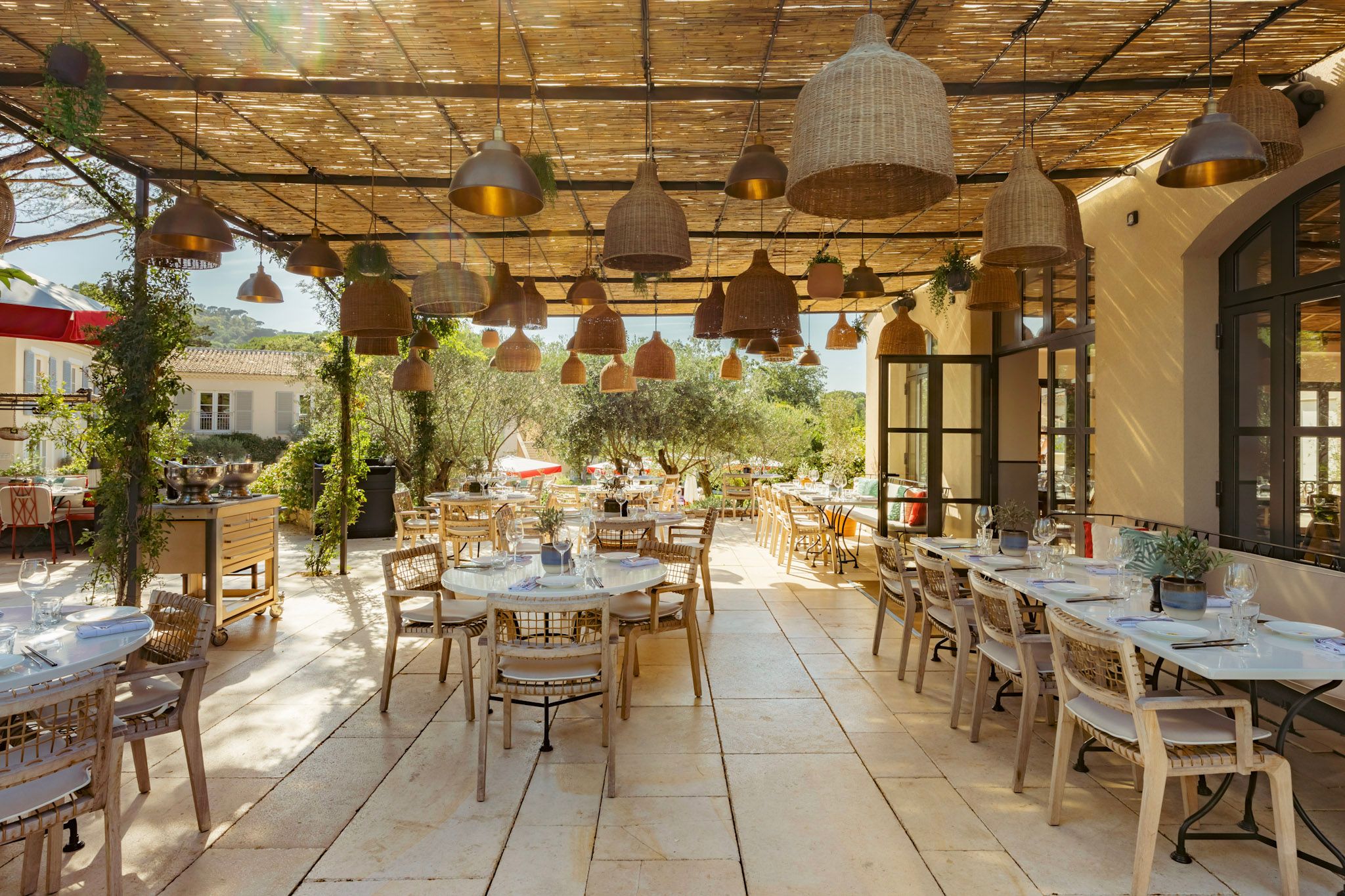
Above: Lou Pinet, San Tropez
From tableware to signature scents, you work across some of the smallest details of a stay. Could you share an example of a detail that makes a particularly memorable impression on guests?
Scent is especially important to me because it can bring back the memory of a place instantly. It becomes part of your emotional connection to a hotel. I also love the small attentions guests discover in their room: soft faux fur slippers, ski socks, local génépi or thoughtfully chosen amenities. These details should respond to the place, the season and how someone might feel when they arrive. For example, my skin often feels uncomfortable and dehydrated after travelling, so a collagen face mask is the kind of welcome gift I would love to find in my room. I often start with that question: what would feel good to receive at this particular moment? A small gesture can make someone feel that their needs have been understood.
How do local craftspeople, artists and suppliers shape a hotel’s identity, and how early do they become part of your creative process?
They give a hotel an authentic foundation. Their knowledge of materials and techniques brings depth to a space and can make it feel as though it has always belonged there. For me, craftsmanship is also what makes an interior feel precious. That quality can come from the texture of a handmade ceramic, a beautifully worked piece of wood or a textile, without needing gold everywhere. You feel the hand and the time behind the object. We involve craftspeople early when their work will shape the architecture or interiors, while leaving room for discoveries along the way. These collaborations strengthen the identity of our hotels, but they also support the people keeping these skills alive, including crafts that are sometimes overlooked or forgotten.
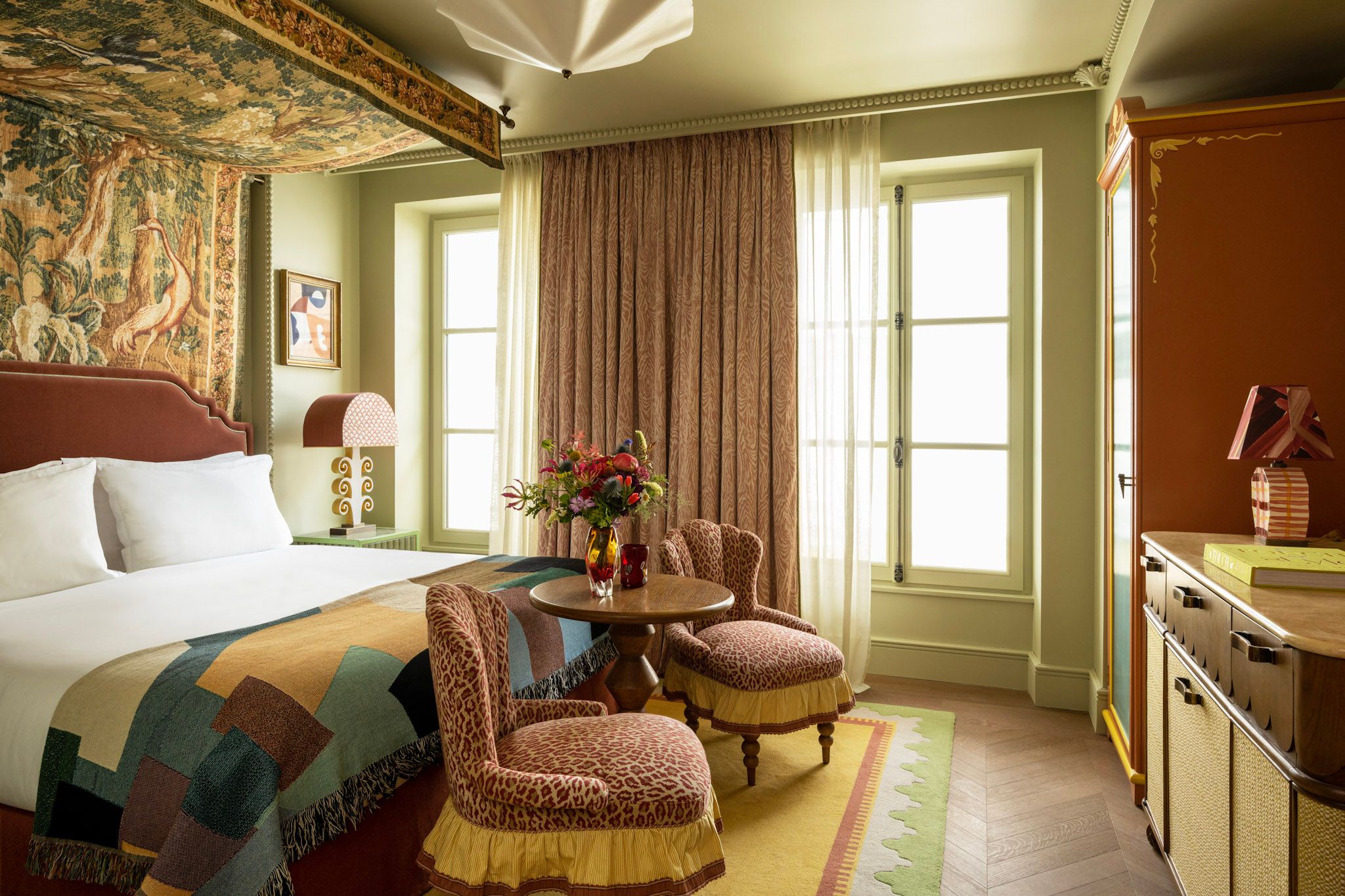
Above: Le Grand Mazarin, Paris
Across your different destinations, what changes are you seeing in what luxury travellers value, and how are these influencing your approach?
I see a desire to disconnect from work and the constant demands of everyday life, and to reconnect with family, friends and the world around us. People want to feel present, whether that means sharing a long lunch, spending time outdoors or simply enjoying an unhurried morning together. That influences how we think about our hotels, from spaces that encourage conversation to experiences that help guests discover their surroundings. It also reinforces the importance of attentive service: when the practical details are taken care of, guests can let go more easily. For me, luxury is having the time and freedom to enjoy those moments, with the people you have chosen to spend them with.
What could UK independent hotels learn from hotel brands overseas?
I would see it as an exchange. British hotels have a wonderful tradition of character, warmth and individuality, which I admire. What I find useful when travelling is observing how hotels elsewhere respond to everyday habits. How do they welcome families? Can guests eat when they are hungry? Do shared spaces feel comfortable throughout the day? Those questions can reveal opportunities to make a stay easier and more enjoyable. The most valuable lesson is to stay curious while trusting your own identity. An idea discovered abroad becomes interesting when you adapt it thoughtfully to your house and your guests.
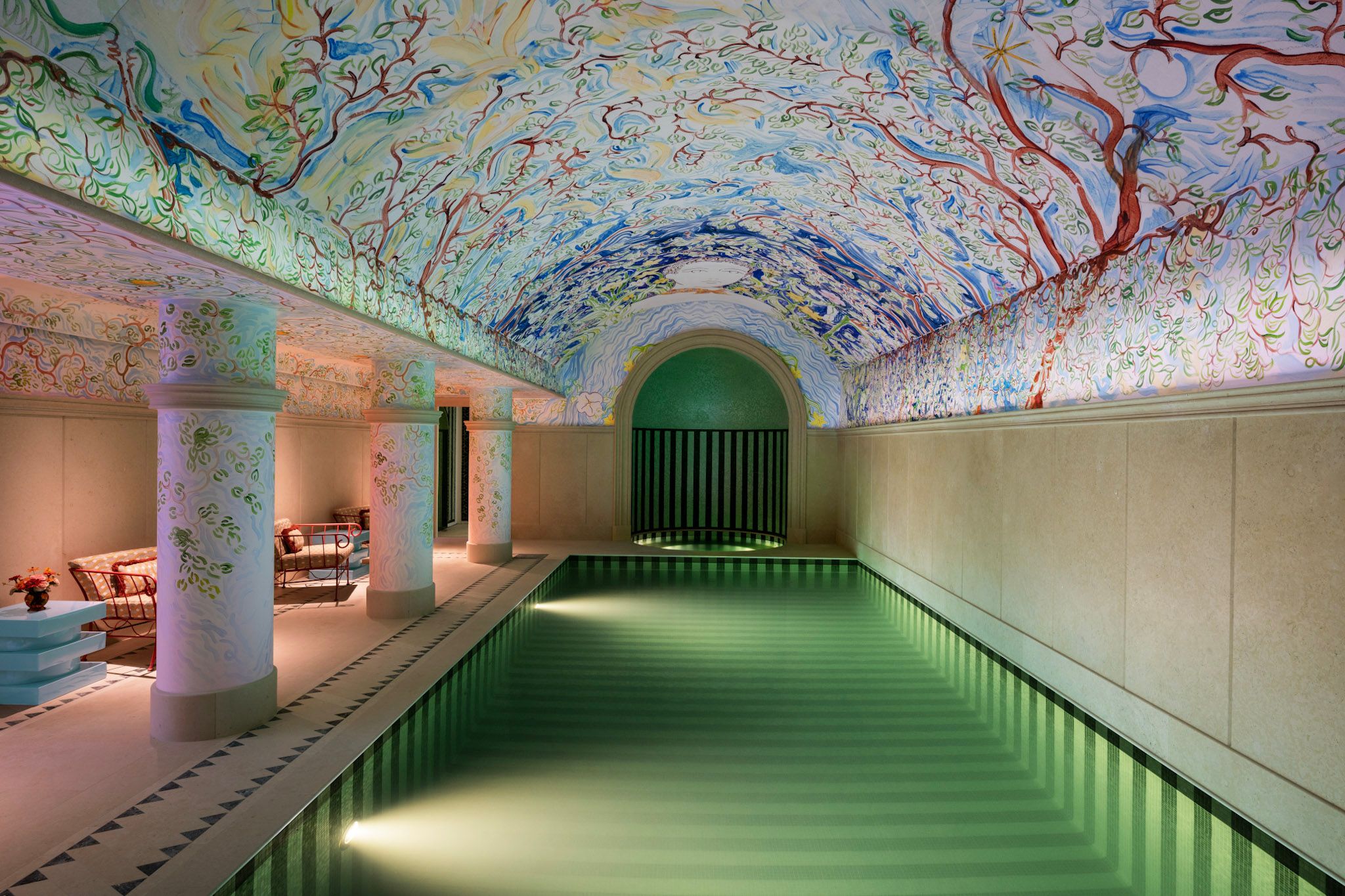
Above: Le Grand Mazarin, Paris
For an independent hotelier working with a modest budget, where would you prioritise investment to make the greatest difference to the guest experience?
I would start with the essentials guests experience most directly: the bed, pillows, shower, cleanliness and lighting. Before adding decorative pieces, I would spend a night in a room and follow the whole experience, from arriving with luggage to reading in bed and getting ready the next morning. You quickly notice what needs attention. I would also invest time in recruiting, training and supporting the team. A warm welcome and an attentive response can shape the entire stay. With a modest budget, a few thoughtful improvements, made consistently, can have a considerable impact.
Learn more at maisonspariente.com.
Hotel image credit: Vincent Leroux

















)