)

Inside The Newman: Building a boutique hotel rooted in place, people and purpose
The Independent Hotel Show team visits The Newman in Fitzrovia, just months after it opens its doors, to explore how a new independent hotel is carving out its place in a competitive London market.
In a landscape dominated by global brands and rising price points, The Newman is positioning itself differently. The focus is not just on design, but on creating a hotel shaped by its neighbourhood, its team and a clear sense of purpose.
For General Manager Oliver Milne-Watson, the decision to join the project in Autumn 2023 followed a deliberate step away from the traditional hotel career path. Having previously worked at The Beaumont and The Goring, he moved into a role as a hotel inspector for LQA, gaining insight into how luxury hospitality operates at a global level.
“I travelled the world, looked at different brands, their standards and their products, and realised that actually bigger brands weren’t doing it any better than we were at an independent level,” he explains.
That perspective feeds directly into The Newman’s positioning. Managed by Kinsfolk & Co, the hotel is built around an ambition to approach hospitality differently, both operationally and culturally.
“Kinsfolk & Co is very much about doing things differently for people and for guests and making a positive change in hospitality for the future – creating somewhere everyone wants to work,” Milne-Watson says.
A hotel shaped by Fitzrovia
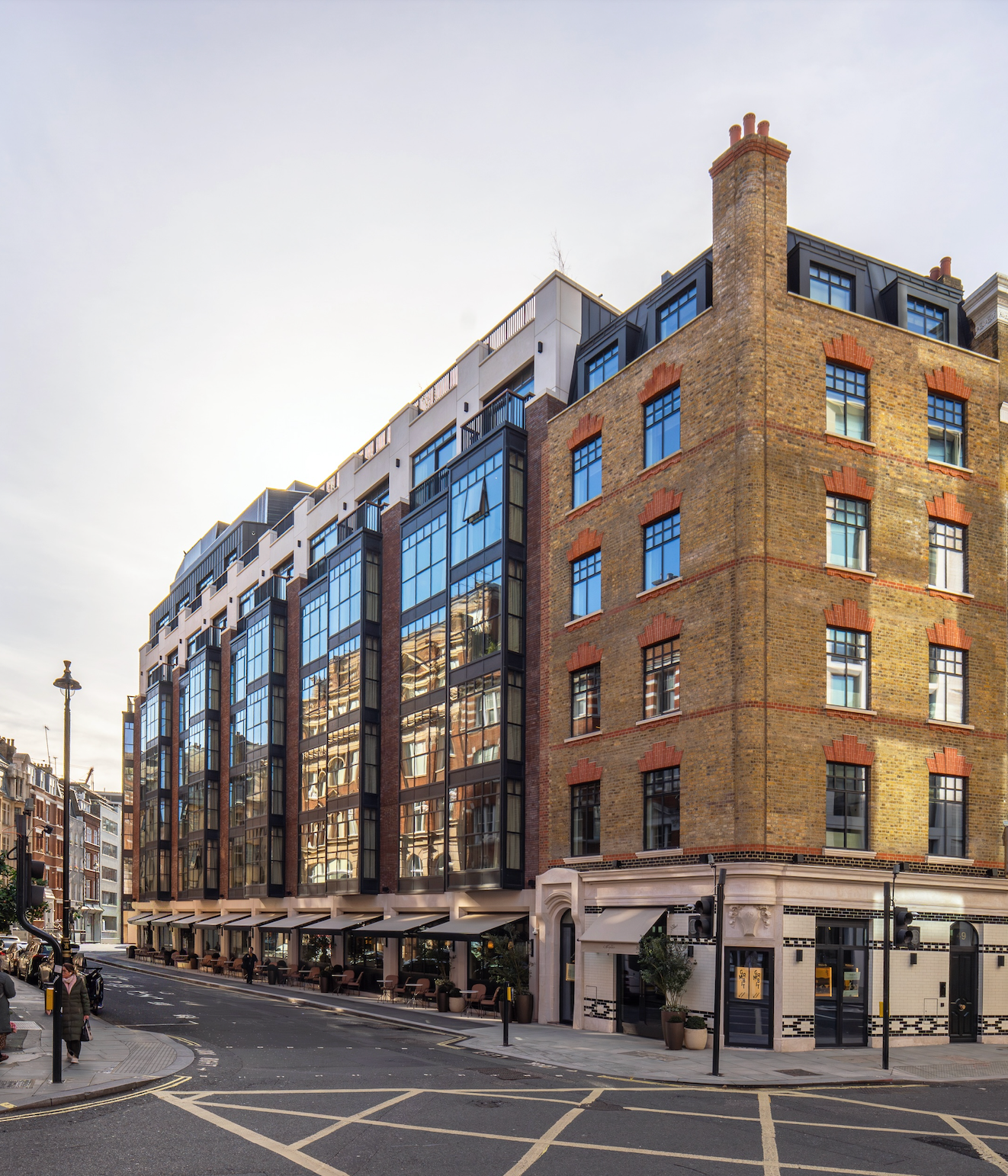
Central to the project is a commitment to place. Rather than applying a generic luxury template, The Newman has been developed with a strong focus on Fitzrovia’s identity, history and community.
“We wanted to be entirely Fitzrovian, but the challenge was that we couldn’t quite put our finger on what that meant,” Milne-Watson admits.
The response was a highly engaged, ground-up approach. The team spent time with local businesses and residents, hosting a neighbours’ party ahead of opening and embedding the community into the physical and cultural fabric of the hotel. From photography featuring local characters to architectural references drawn from surrounding buildings, the intention was to avoid superficial storytelling.
“A lot of places say they’re a neighbourhood hotel, but we genuinely are part of the neighbourhood. We want to bring value to it and add something,” he says.
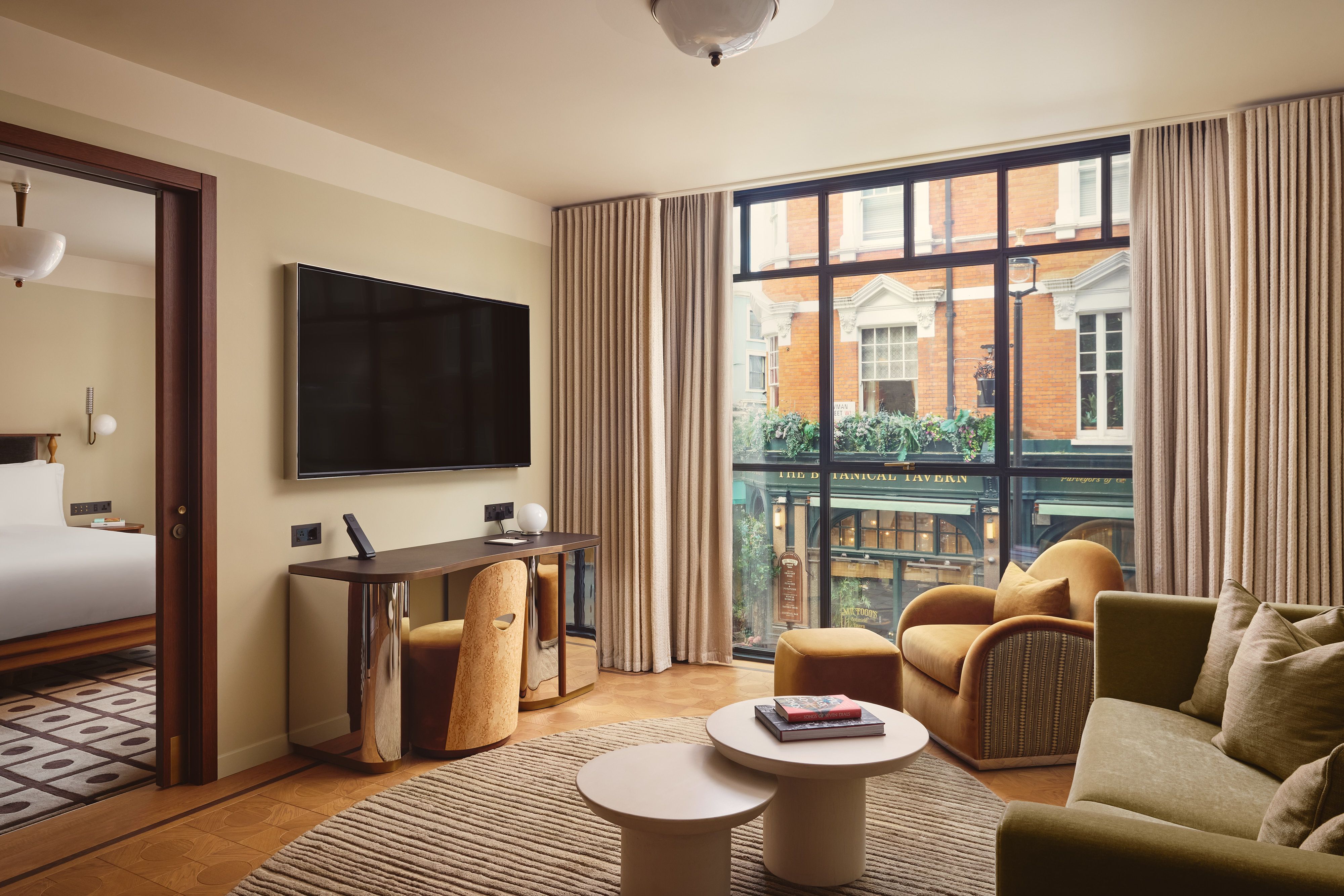
This ethos extends into the design, led by London studio Lind + Almond. Inspired in part by a book titled Characters of Fitzrovia and famous local figures such as the glamorous writer, heiress and political activist Nancy Cunard, the interiors combine Art Deco influences with subtle local references. The result is a space that feels established rather than newly built.
“Throughout the design you’ll see lots of curves, which makes it feel like it’s been here for a lot longer than it has,” Milne-Watson notes.
Collaboration and creative tension
As with many hotel openings, the design process involved a balance between aesthetic ambition and operational practicality. Milne-Watson was unusually involved as an opening GM, working closely with the design team to refine layouts and materials.
“I think there’s always going to be a bit of a clash between the operational side and the designers,” he says.
That tension is evident in details such as the copper patina bar in Gambit, designed to age and mark over time. “It's something a hotelier would generally hate, something you can’t clean properly on the face of it, but it matures, it gets marks and shapes,” he explains.
Rather than compromise, the project leaned into these moments of debate, with designers and operators working collaboratively to find solutions that preserve intent while maintaining functionality.
F&B as a neighbourhood anchor
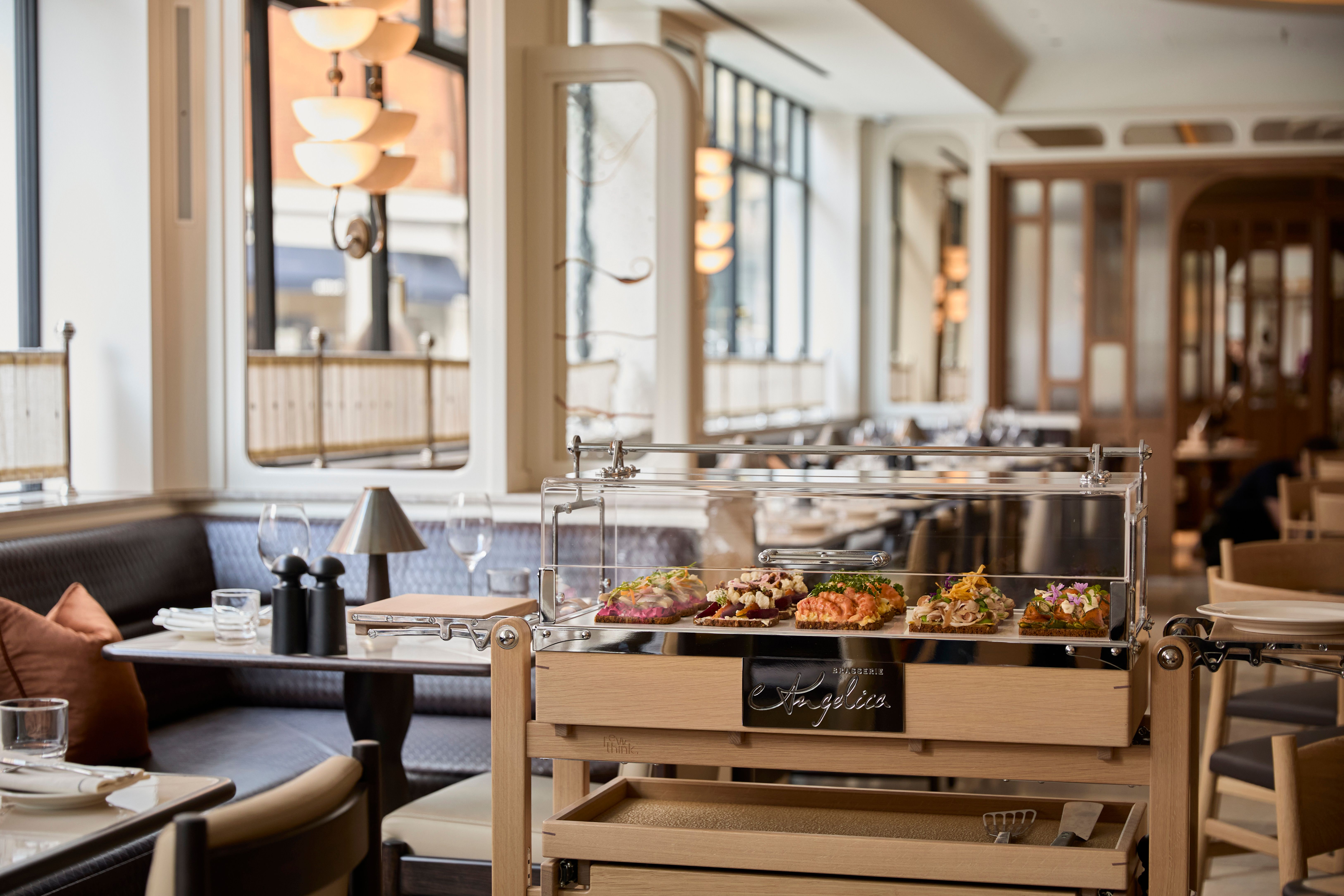
Food and beverage plays a central role in anchoring the hotel within its local market. Brasserie Angelica has been positioned deliberately as a standalone destination, with its own entrance and an all-day menu designed to encourage repeat visits.
“We wanted people to feel they could come at any time of day rather than be fixed to certain hours… and come more than once or twice a week,” says Milne-Watson.
The menu leans towards lighter northern European influences, while downstairs the Gambit Bar introduces a more informal, playful and energetic layer to the offering. Crucially, pricing and product have been structured to support a broad customer base.
“You can come in and have something simple, or you can trade up and have caviar,” Milne-Watson explains.
This accessibility is intentional. The goal is to create a mixed, dynamic environment rather than a single-segment venue.
“You might have someone who’s come in after a run in the park sitting next to a couple of executives, next to a birthday celebration. It’s London as London should feel.”
Choice as a defining principle
Across both guest experience and operations, a recurring theme is flexibility. Technology and wellness, often treated as defining features in new luxury hotels, are instead positioned as optional layers.
“We wanted to give people a choice, so they can lean into the tech or do things more manually,” Milne-Watson says, referencing the hotel’s app-based journey alongside traditional front desk service.
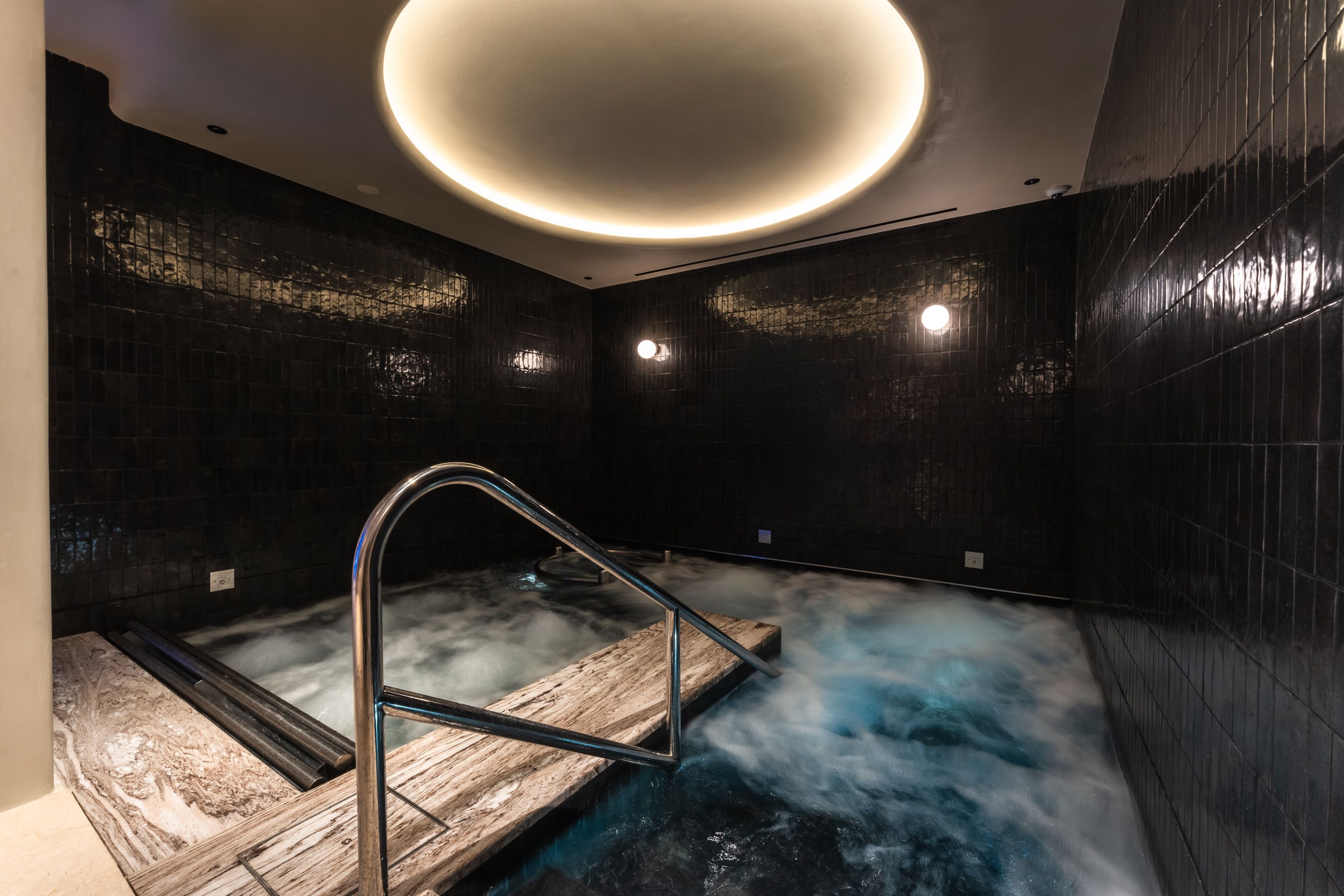
The same applies to wellness, which includes a full thermal suite and treatment offering but is integrated more subtly throughout the property. An entire floor at The Newman is dedicated to wellness, reflecting a holistic approach that runs throughout the hotel. Inspired by the Swedish Grace movement, the offer is built around simplicity, balance and harmony, with a full spa, treatment rooms, fitness studio and gym complemented by wellness elements integrated into the wider guest experience.
“We try to do as many wellness elements as possible without being too in your face,” says Milne-Watson.
Rethinking recruitment and training
One of the more distinctive aspects of the opening has been the approach to recruitment. Faced with nearly 3,000 applicants for around 70 roles, the team developed a people brand to guide hiring and training decisions.
“We created a people brand based on the values we wanted in the team: Responsible, Energised, Approachable and Local,” says Milne-Watson. This quickly became a recruitment process centred around finding ‘REAL people’.
This was complemented by a partnership with Saira Hospitality to deliver a pop-up hotel school during pre-opening. Participants received a 30-day immersive training programme, covering multiple departments and practical skills.
“When you join a job, you might get a one- or two-week induction, these guys had 30 days,” he explains.
The outcome has been both a pipeline of talent and a more confident, well-rounded team, a critical factor in delivering consistent service at launch.
A more approachable definition of luxury

Ultimately, The Newman reflects a broader shift in how luxury is being defined within the sector. Rather than formality or exclusivity, the emphasis is on experience, connection and incremental improvement.
“Luxury is more about the quality of service where you’re made to feel 1% better, or 1% less stressed than when you walked through the door,” Milne-Watson says.
Looking ahead, he expects this direction to continue, with more brands moving towards a lifestyle-led, accessible model. “Everyone will lean more towards incorporating approachability into the luxury lifestyle space,” he explains.
For operators, The Newman offers a clear case study in how those ideas can be translated into a physical product: one that balances design ambition with operational reality, embeds itself within its neighbourhood, and places equal weight on people, process and place from day one.
Find out more about The Newman at thenewman.com.
)
)
)
)
)
)
)
)
)
)
)
)
)
)
)
)
)
)
)
)
)
)
)
)
)
)
)
)
)
)
)
)
)
)
)
)
)
)
)
)
)
)
)