)

The Hotelier Edit: William Riordan, Co-Founder, Oberland
In the latest edition of the Hotelier Edit, the Independent Hotel Show speaks to William Riordan, Co-Founder of Oberland, about the launch of the new Arthouse hotel in Glasgow, the the desire to create an authentic new hospitality offering for the city.
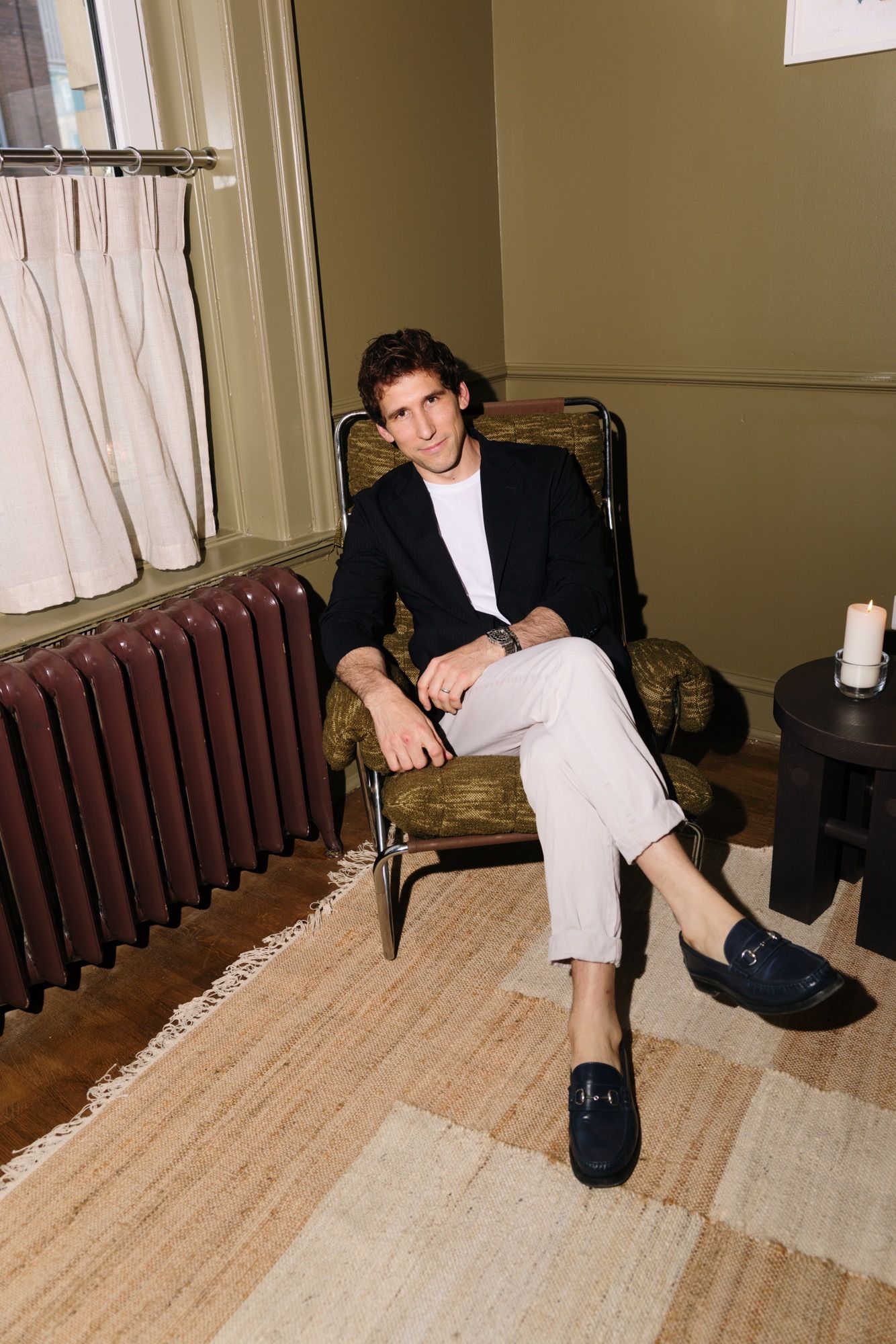
Can you introduce Arthouse and explain the vision behind the hotel?
Arthouse is the first hotel in our new Oberland collection, a group of unique, independent hotels that share the same ethos but each have their own identity.
The idea behind Oberland is not to create a traditional hotel brand where the same concept is repeated in different locations. Each hotel will rather be shaped by its building, its location and the people around it. What connects them is an approach to hospitality that values character, independence, bold design, and a strong sense of place.
Arthouse is the first expression of that. It is in an historic and beautiful building in the centre of Glasgow, and when we first came across it we immediately saw an opportunity to create something that felt connected to the city around it.
We did not want to over define what Arthouse should be before we had spent time in Glasgow and understood the building properly. A lot of the hotel developed through that process and through the people we met along the way.
The result is 76 bedrooms, Celentano's on the ground floor and a hotel that has a strong connection to Glasgow without trying too hard to ‘explain’ the city to people. Hopefully it gives guests a good base from which to discover Glasgow for themselves.
As we grow the Oberland collection, each hotel will be different, but that approach will remain consistent. The aim is to build a collection where you recognise the thinking and spirit behind the hotels rather than necessarily recognising a particular look or formula.
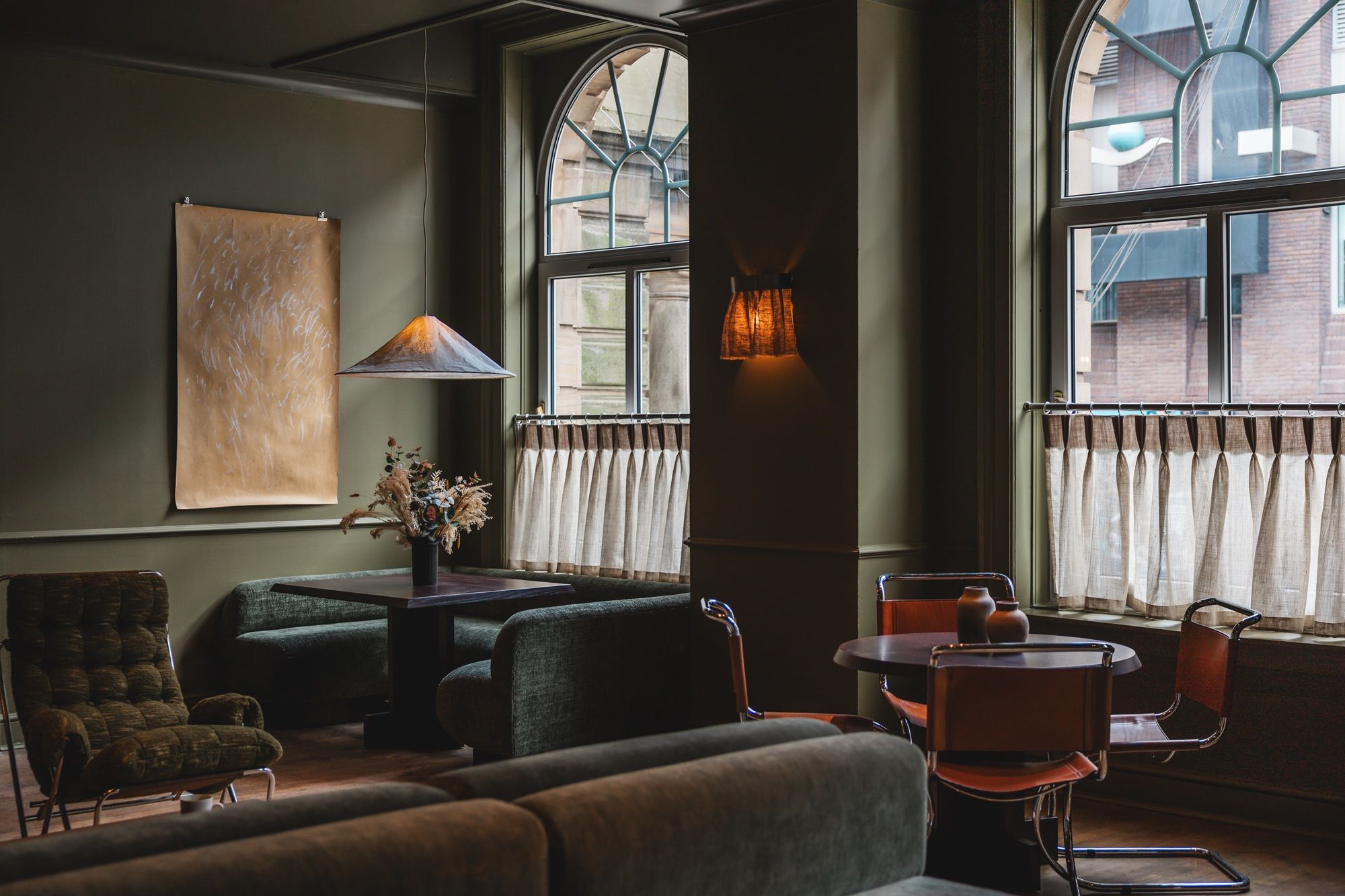
Arthouse occupies a landmark Victorian building with a long and varied history. How did you preserve its original character while creating a hotel that feels relevant to today’s guests?
One of the things we learned quite quickly after acquiring the property was that the building became more interesting as we started removing layers.
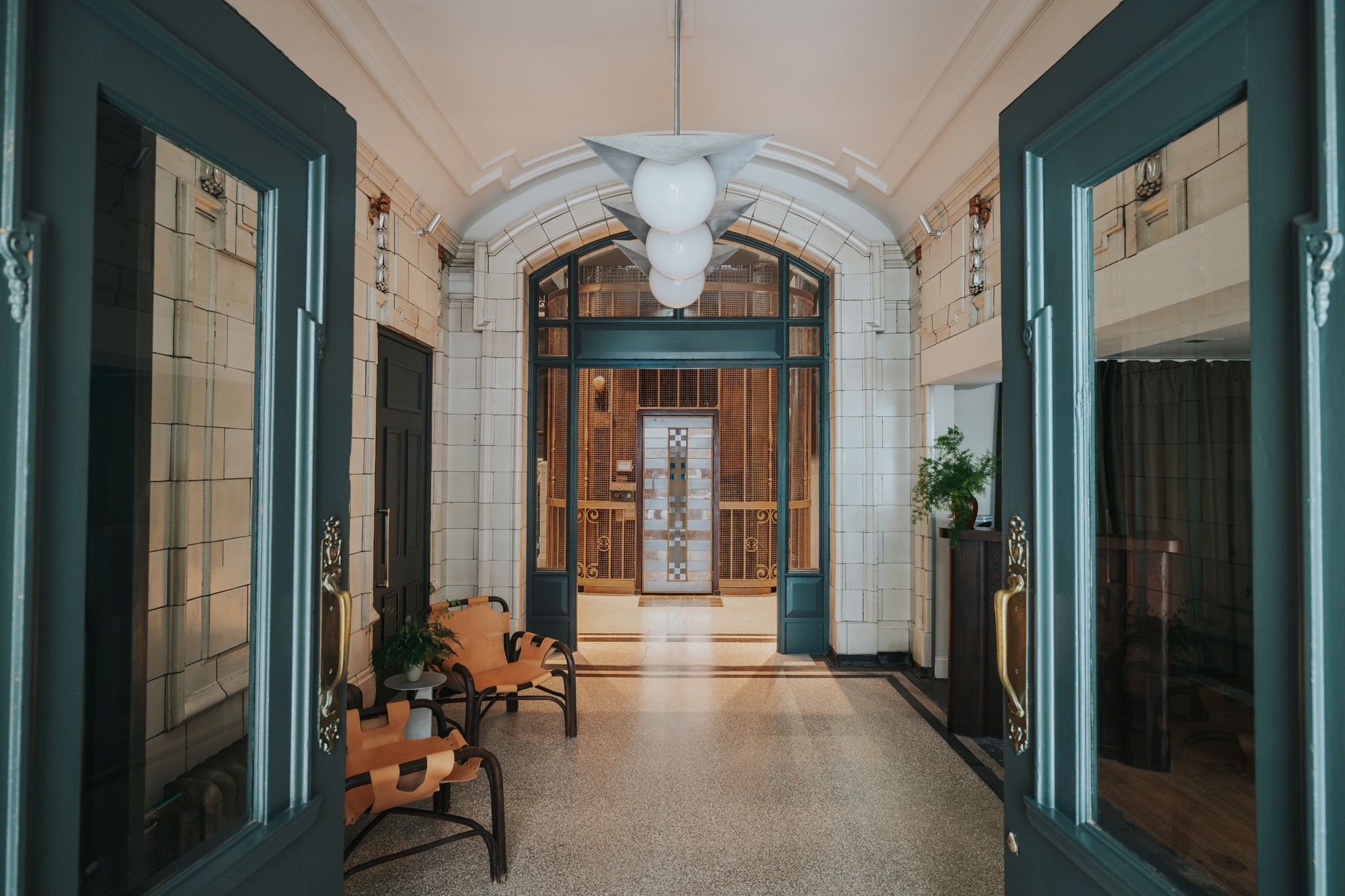
It has been used for many different purposes over its lifetime, and each period had left something behind. There were layers of flooring, wallpaper and alterations covering original terrazzo, timber, plasterwork and woodwork. A lot of the process became about uncovering what was still there and preserving it.
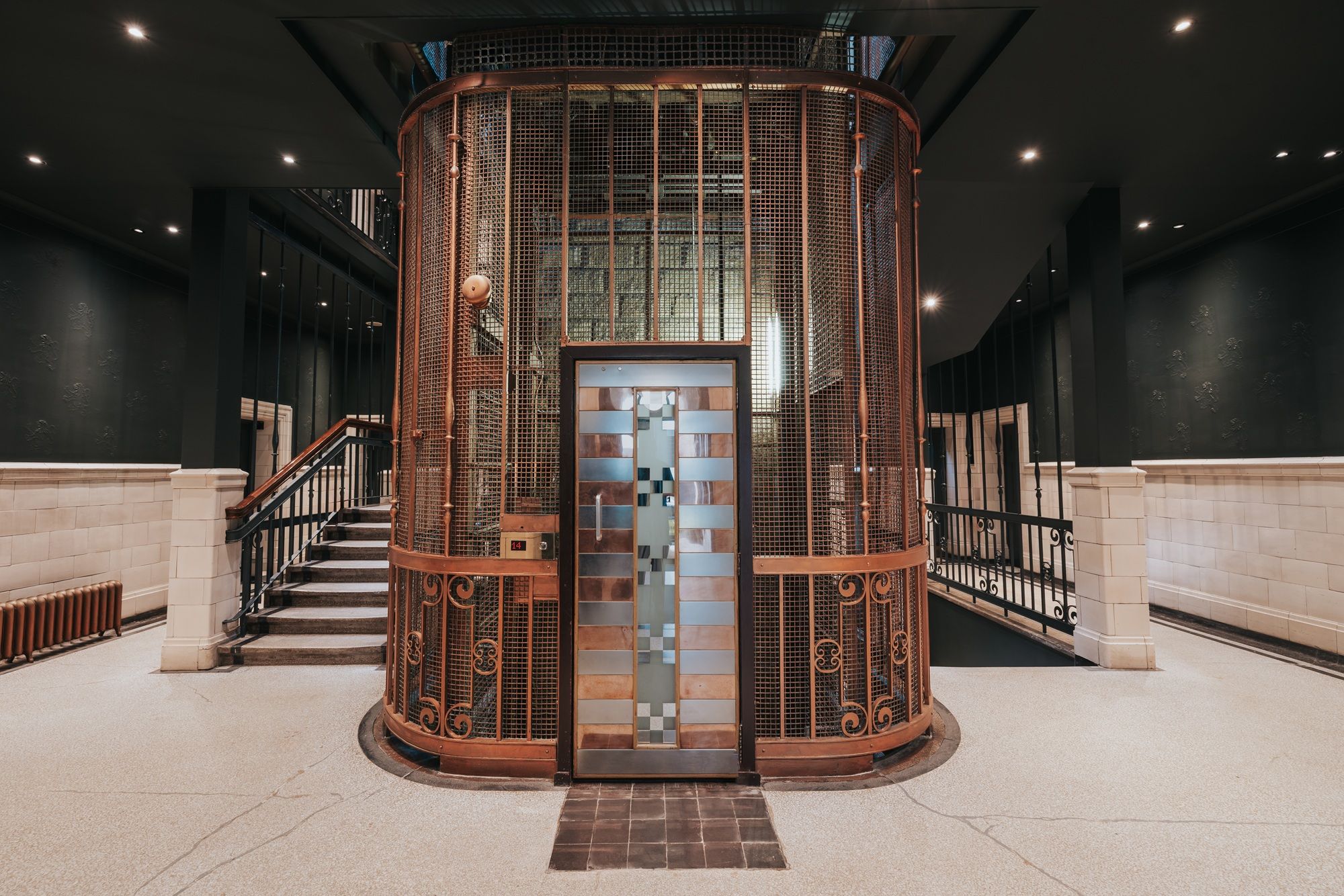
We worked closely with A-nrd on the interiors, and there was a shared understanding that not everything needed to look new. We kept the stained glass, terrazzo staircase, birdcage lift and a lot of the marks and irregularities that have accumulated over time.
The challenge was then making sure it still worked as a hotel. Guests expect good beds, good showers, and generally a building that works. We don't think those things need to come at the expense of character.
If anything, the process taught us to be more comfortable leaving things alone. There is a temptation in hotels to finish every surface and resolve every imperfection. Some of the character of Arthouse comes from resisting that.
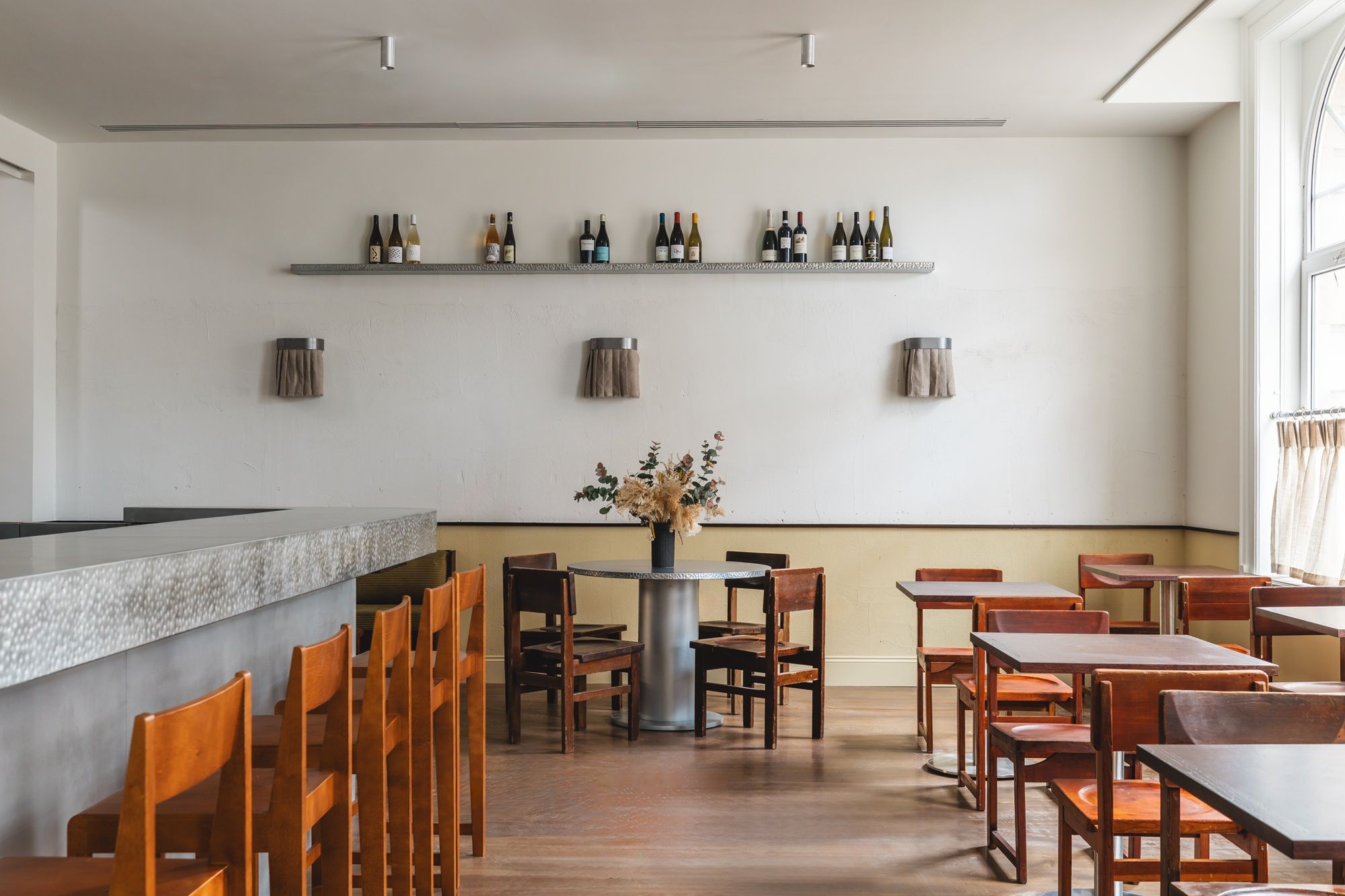
The hotel describes itself as having been made “with Glasgow, not for it”. What does that philosophy mean in practice, and how does the city shape the guest experience?
It came from an awareness that we were newcomers to Glasgow. The city has a very strong sense of itself, so it would have been strange for us to arrive and decide what a “Glasgow hotel” should look like.
Glasgow isn't a city where you can manufacture a sense of authenticity and expect people not to notice. So it was important to involve people who were already doing interesting things here. Celentano's is independently owned and operated by Dean and Anna Parker. Illyus Brown looks after the music and live programming. Ripe selects the publications, Bare Bones makes the chocolate in the rooms and Studio Kumari does the flowers. We have also worked closely with Glasgow School of Art and Glasgow International, for dressing the rooms but also exploring how we can meaningfully benefit these institutions.
What I like is that none of those things is shouting about being Scottish or Glaswegian. They are simply good people and businesses based here, doing what they do.
For a guest, I think that gives a much better introduction to the city than us trying to package Glasgow into a hotel experience.
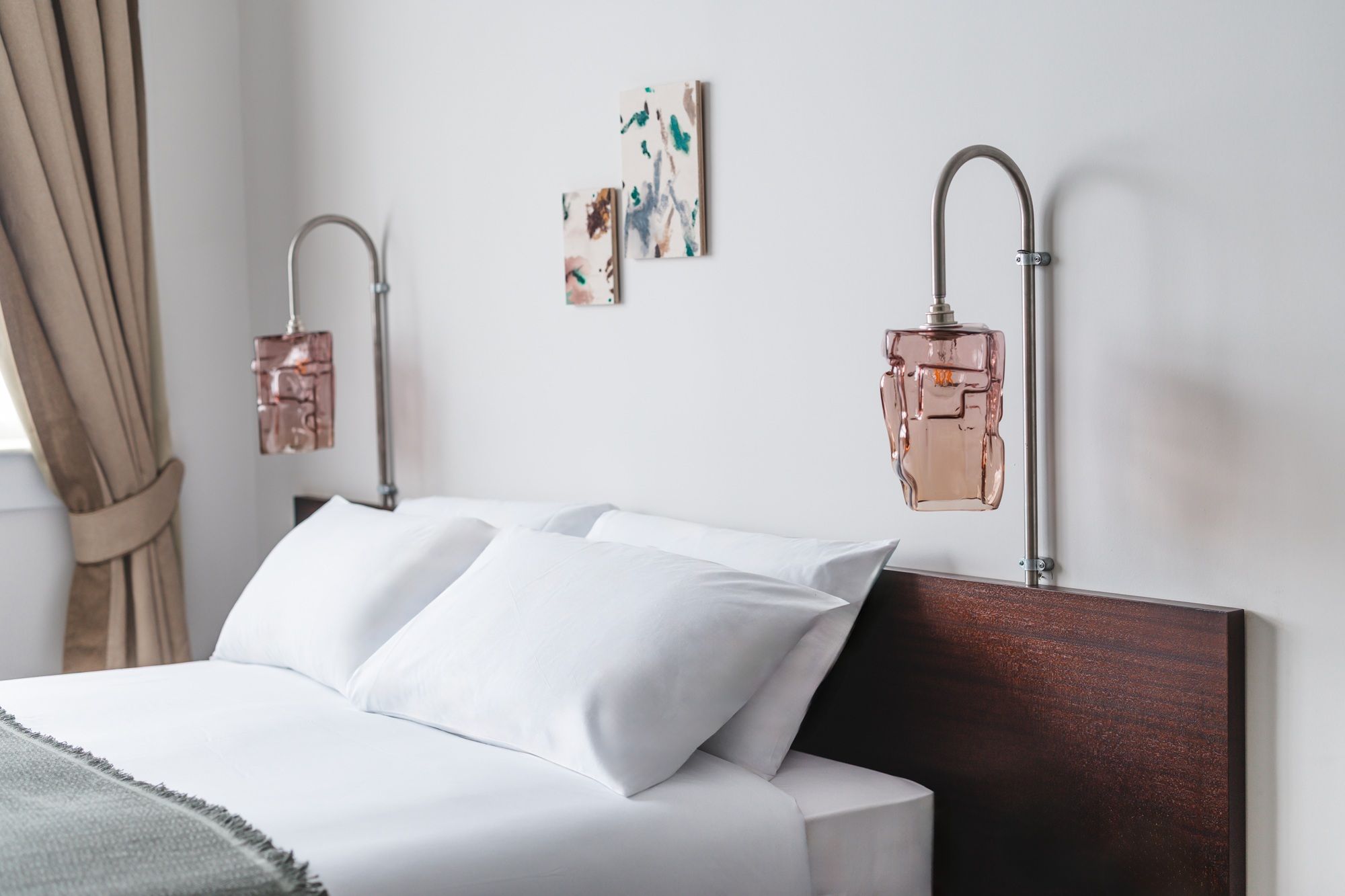
Scottish artists, makers and craftspeople feature throughout Arthouse. How did you select these collaborators, and why was it important for their work to form such an integral part of the hotel?
We did not start with a list of things that needed to be Scottish. It was more organic than that.
As we spent more time in Glasgow, we kept meeting people whose work we liked and finding ways to involve them. David Iain Brown created pieces for the bedrooms using fragments and discarded materials. Vicky Higginson made the hand-blown glass pendants, so each one is slightly different. Studio Kumari does the flowers, Illyus Brown works with us on music and Ripe curates the publications.
What became apparent was how much those individual contributions affected the character of the hotel. You can specify everything centrally and achieve a very consistent result, but you lose something in the process.
Working with independent makers means accepting that things won't always be identical. We like that. There is a person behind the object and often a small variation or imperfection that comes with it.
It also means that money we would have spent furnishing and programming the hotel is going to people and businesses whose work we believe in, which feels like a better way of doing things where possible.
Through initiatives such as the Arthouse Award and partnerships with Glasgow School of Art and Glasgow International, the hotel aims to contribute to the city’s creative community. What role do you want Arthouse to play in Glasgow’s cultural life?
We have tried to think quite practically about what a hotel can offer.
We have walls, rooms, public spaces and a constant flow of people through the building. We also have the ability to commission work and support cultural organisations. Rather than talking too broadly about being part of Glasgow's cultural scene, we're interested in how we can make those things useful.
The Arthouse Award is a good example. We established it with Glasgow School of Art as an annual bursary and commission for an emerging artist. The first recipient, Kate Glenn, created RADICAL / REBIRTH across the façade during Glasgow International, as well as PEACE/PLACE, which will remain permanently in the hotel.
We like the fact that it has a tangible outcome. An artist receives funding and the opportunity to make ambitious work, while the hotel gets something that we could never have come up with ourselves.
We are still at the beginning of working out what Arthouse can contribute. I don't think we need to define that too tightly. If we can continue to find practical ways to highlight the work of interesting people and give them access to the building and the audience that comes through it, that would be a good place to start.
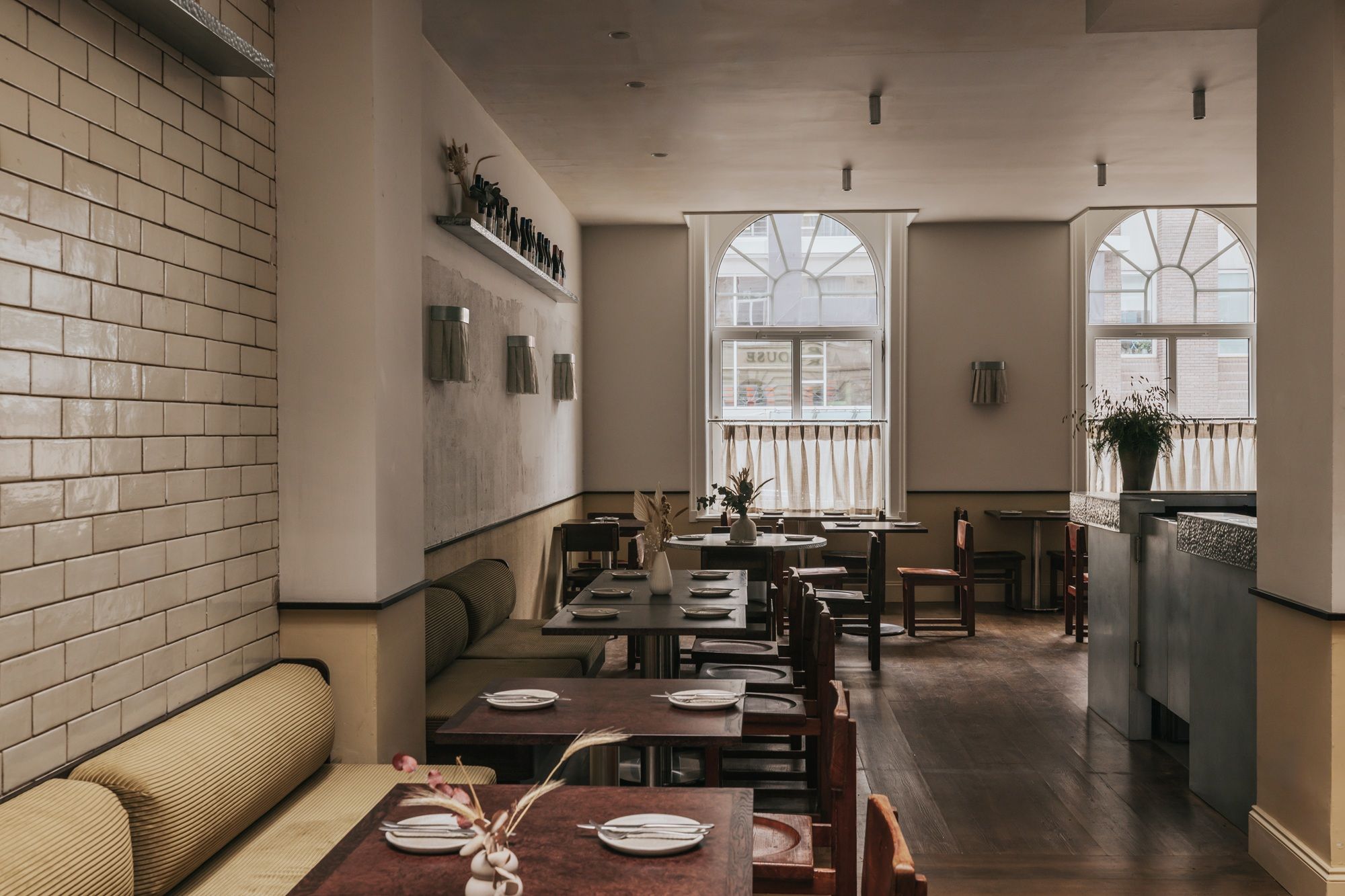
Celentano’s had already established a strong local following before becoming part of Arthouse, how did this partnership come about and how important is it for a hotel restaurant to also have it’s own unique identity?
We were introduced to Dean and Anna while we were developing Arthouse and got on with them immediately. We never really spoke to anybody else. They had already built one of Glasgow's best restaurants and had a loyal local following, but just as importantly, we liked the way they approached hospitality.
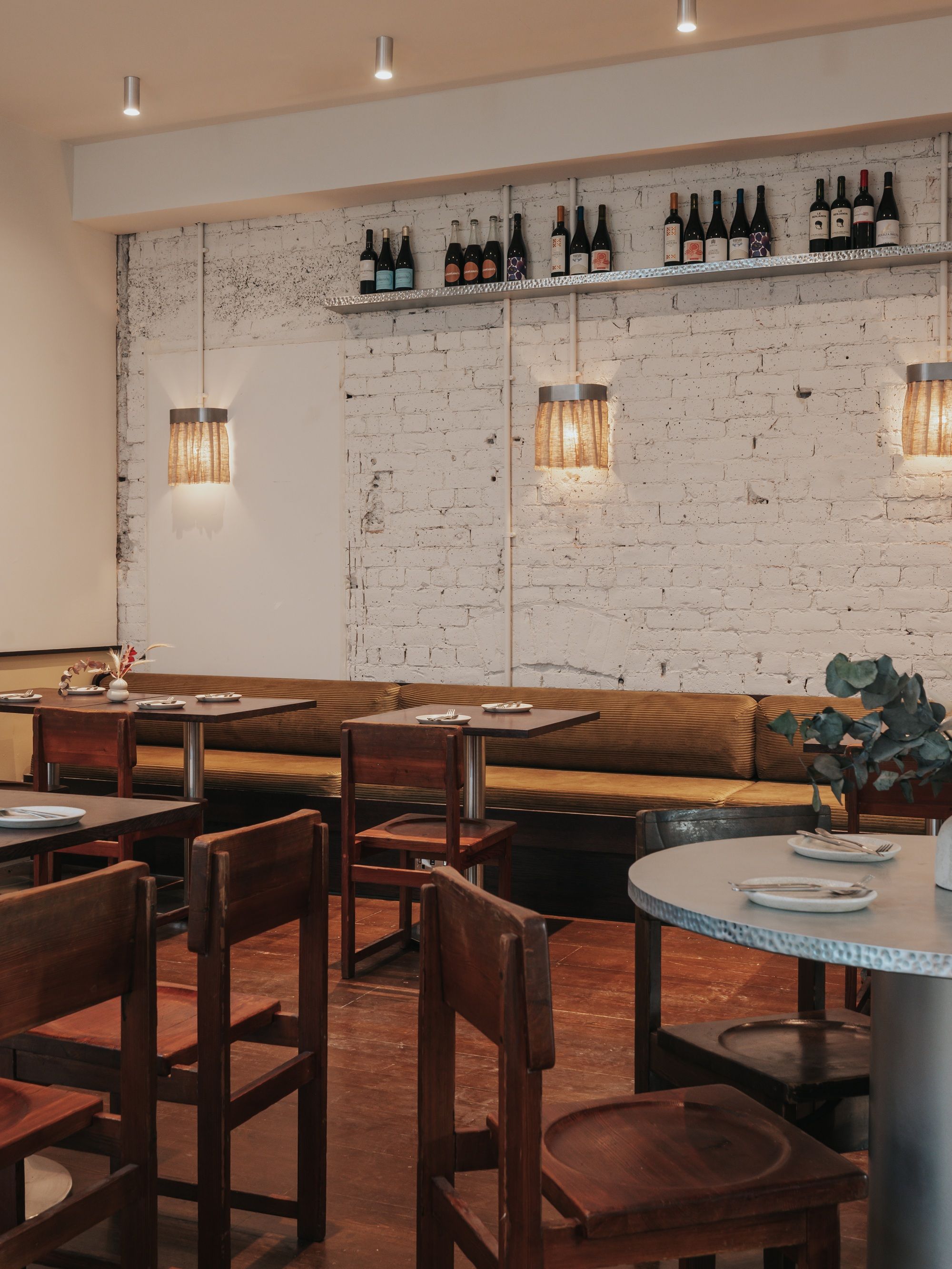
There is a warmth and generosity to Celentano's which felt right for Arthouse. The food is obviously a huge part of that (and it is incredible), but it's also about how the restaurant feels, the team they have built and the atmosphere they create. It is ambitious without being formal, which is something we liked from the beginning.
Having an established Glasgow restaurant as part of Arthouse also gives the ground floor an identity of its own. There are people coming into the building because they want to eat at Celentano's, rather than because they are staying upstairs, and that gives the hotel a much more natural connection to the city.
I think that's important. A hotel restaurant needs to be good enough that local people choose to go there in its own right. Celentano's already had that relationship with Glasgow, and we are pleased that they trusted us to bring that into Arthouse.
What have been the most important lessons from bringing the Arthouse concept to life, and what advice would you offer other hoteliers looking to create a genuinely distinctive, locally rooted property?
One of the biggest lessons has been not to have all the answers too early.
There is a natural pressure when you are developing a hotel to define everything at the beginning. What is the concept? Who is the customer? What should every detail look like? Some of the best decisions we made at Arthouse came later, after we had spent more time in the building and met more people in Glasgow. It also means that we are still a work in progress, not perfect now, but hopefully always improving.
If I were giving advice to someone trying to create a locally rooted hotel, it would probably be to spend more time listening at the beginning. Don't rush to create a story about a place. Find good people who already understand it and give them a meaningful role in what you're creating.
That is also something we want to carry into future Oberland hotels. The shared ethos is important, but it shouldn't become a set of rules. If we do it properly, each hotel should teach us something new rather than simply repeating what worked at Arthouse.
The theme of Independent Hotel Show this year is ‘Shaping Tomorrow’. What excites you most about the future of the hotel sector, and where do you think independent hotels have the greatest opportunity to lead the way?
Technology is obviously going to change a lot about how hotels operate, and I think that is largely a good thing. There are plenty of processes in hotels that aren't particularly enjoyable for guests or staff, and if technology can simplify those, we should use it.
What I would not want is for efficiency to become the end goal. Hotels are ultimately about people looking after people, and that part of the experience is more difficult to automate.
I think independent hotels are in a good position because we can experiment. If something makes sense for one property, we can try it without having to work out whether it can be rolled out across hundreds of hotels.
The same applies to design, food, programming and the way we work with the communities around us. We can respond to a particular building and place rather than working backwards from a set of standards.
That is something we're thinking about a lot with Oberland. As we grow, the challenge is to preserve that independence rather than gradually becoming more standardised. I would much rather have a collection of hotels that feel quite different from one another but share the same values than a collection where you immediately recognise the same design, restaurant or experience.
That flexibility is one of the most exciting parts about Oberland. The hotel sector is changing quickly, but I don't think the answer is necessarily more complexity. There is a good opportunity to use technology to make the functional parts of staying in a hotel simpler, while putting more thought and energy into the parts that people actually remember.
Find out more at arthousehotelglasgow.com
)
)
)
)
)
)
)
)
)
)
)
)
)
)
)
)
)
)
)
)
)
)
)
)
)
)
)
)
)
)
)
)
)
)
)
)
)
)
)
)
)
)
)