)

The Hotelier Edit: Miles Pooley, Royal Air Force Club
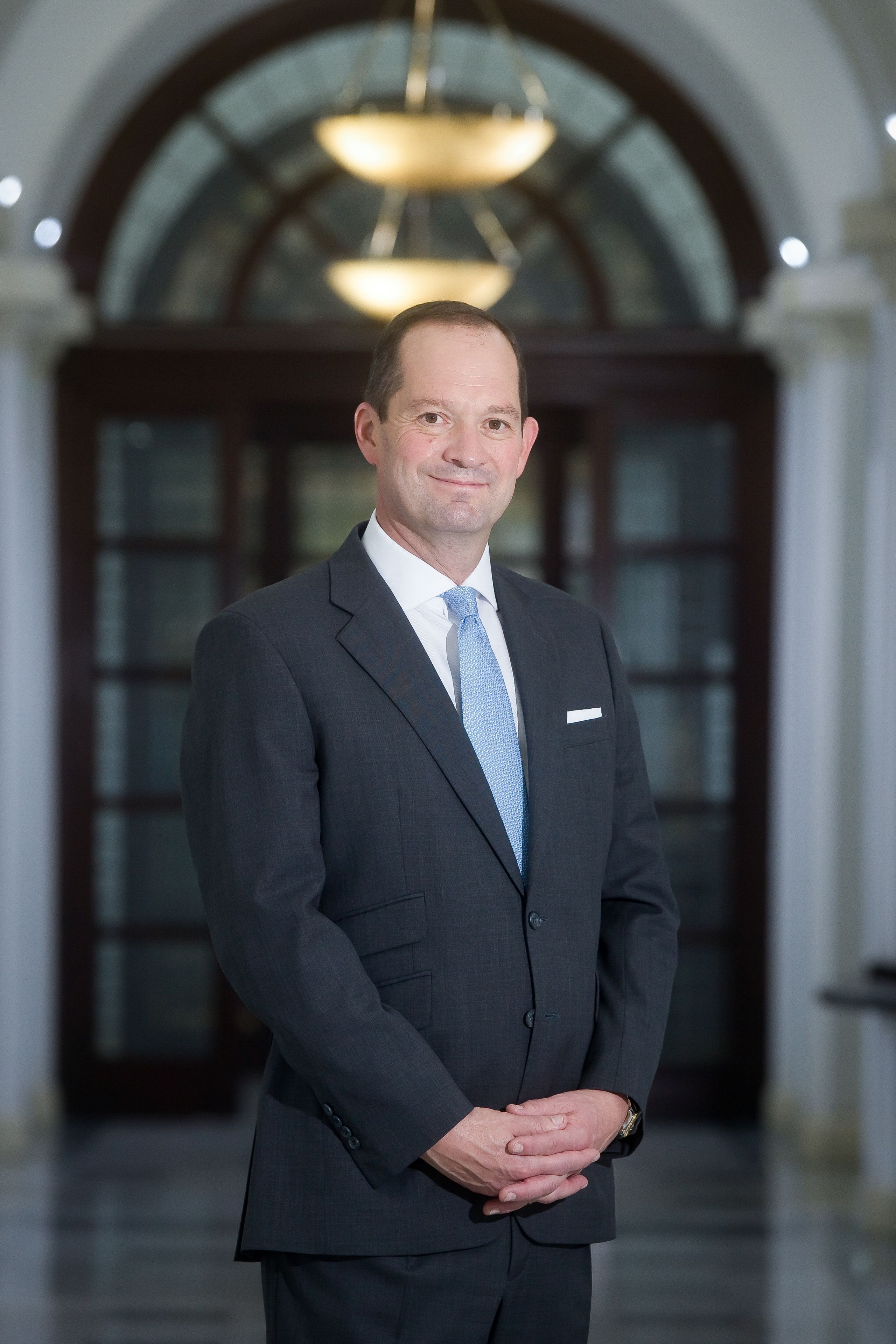
From washing dishes in a Cambridge hotel at 14 to leading one of London's most distinguished private members' clubs, Miles Pooley's hospitality career spans more than four decades and some of the industry's most respected names. Having held senior roles with Marriott International and luxury hotels across the UK and Europe, Pooley now serves as Chief Executive of the Royal Air Force Club, where he is responsible for balancing the Club's rich military heritage with the evolving expectations of modern members and guests.
In this edition of The Hotelier Edit, Pooley reflects on the experiences that shaped his career, the leadership philosophy inspired by Marriott Executive Chairman Bill Marriott Jr, and the enduring importance of people in hospitality. He also shares his perspective on how guest expectations are changing, the challenges of stewarding a historic institution, and what success looks like for the RAF Club in the years ahead.
Tell us about your journey into hospitality. Was it always the career you envisioned for yourself?
From the age of twelve I always want to pursue a career in what was then referred to as the Hotel and Catering Industry. It was whilst studying Domestic Science at school – I made a Victoria sponge and then first thought about training to become a Chef. My first experience of working in a hotel was at fourteen, during the summer holidays and my passion to work in the industry just took off from there.
At sixteen I left school and came to London to study for a diploma in hotel and catering operations. I continued to work during college holidays in hotels in Cambridge, where my family home was and also worked three evenings a week during term time in Balham McDonalds to ‘make ends meet’. After leaving college I applied for a management training scheme with Trust House Forte Hotels and also for a position as a Commis Waiter at the Connaught Hotel. Although it was a fixed term contract for a year, I accepted the position at the Connaught and within five months I was promoted to a Chef de Rang .
I was then offered the opportunity by the Personnel Manager at the Connaught to work in Switzerland for a year. This was at the Quellenhof Spa Hotel which was another Leading Hotel of the World. I spent my year working in their food and beverage departments which I thoroughly enjoyed. I returned to The Connaught and within a relatively short period of time I was promoted into my first management position.
Looking back on your career, what has been the most valuable lesson hospitality has taught you?
The most valuable lesson has been that people are at the heart of everything we do. Buildings, facilities and technology are important, but it is the quality of human interaction that people remember. When leading a team, listening, empathy and consistency are fundamental to long-term success.
Is there a hospitality leader, business leader or public figure that you particularly admire, and are there any lessons from them that have influenced your own approach to leadership?
One business leader I particularly admire is Bill Marriott Jr, Executive Chairman of Marriott International. His belief that if you take care of your colleagues, they will take care of your guests has always resonated with me and is a philosophy I've tried to follow throughout my career.
I spent 14 years with Marriott, initially with Marriott Vacation Club International and later as General Manager of the London Marriott Hotel Park Lane. During that time, I had the opportunity to meet and spend one-on-one time with Mr Marriott on several occasions when he stayed at the hotel. What struck me most was how genuinely interested he was in people at every level of the organisation and how visible and approachable he remained despite leading one of the world's largest hospitality companies.
The key lesson I've taken from him is that great leadership is fundamentally about people. By creating a culture of trust, respect and service, you empower teams to deliver exceptional experiences for guests and members alike.
The RAF Club has a remarkable heritage. How do you balance preserving that history while ensuring the Club remains relevant to today's members and guests?
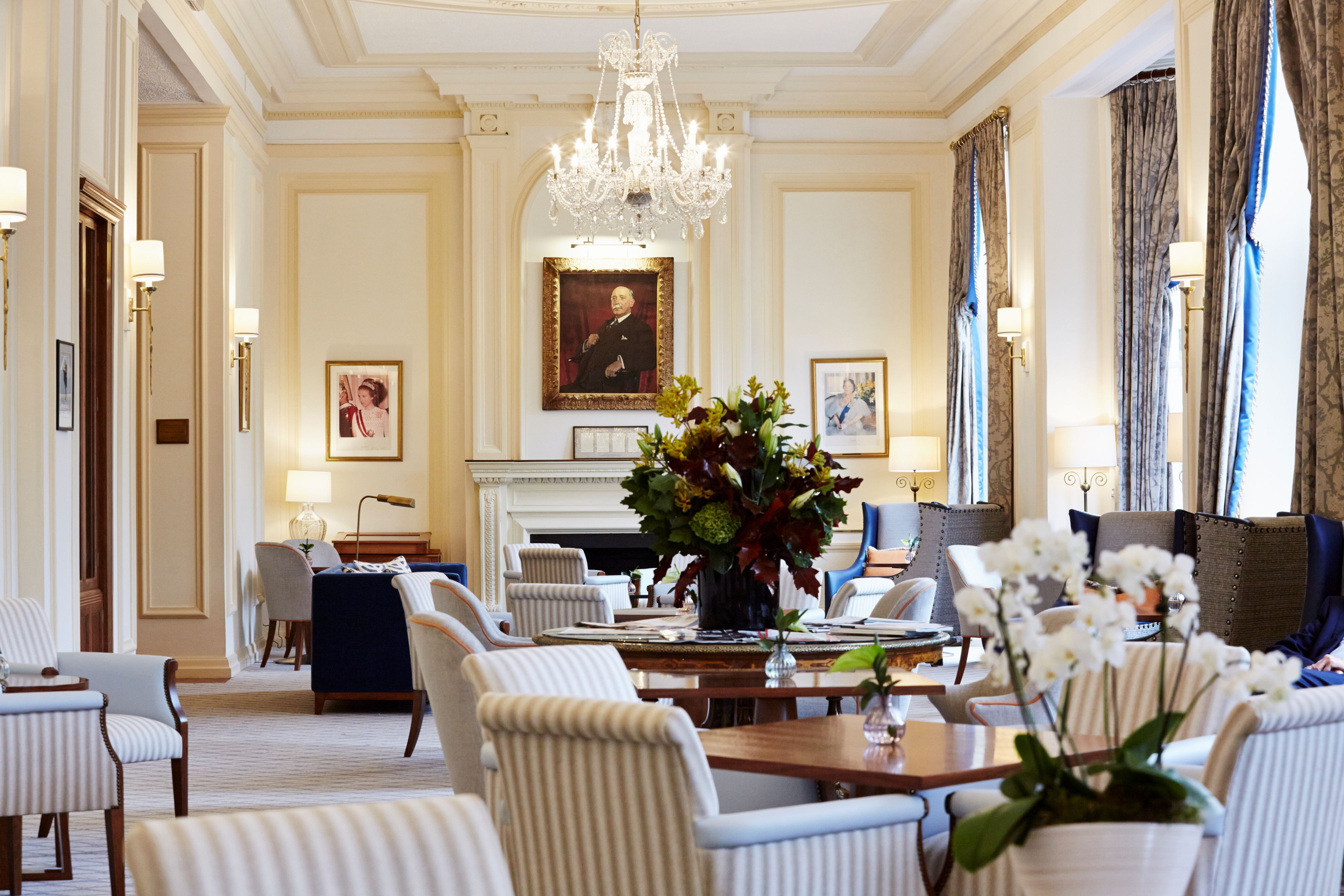
The Club's heritage and purpose is one of its greatest strengths, and preserving that legacy is a responsibility we take seriously. At the same time, heritage should never mean standing still. Our approach is to respect the traditions and values that define the Club while continually enhancing the member and guest experience. That means investing thoughtfully in facilities, embracing innovation where it adds value and ensuring that our services reflect the expectations of all our members.
Have you seen a change in what members and overnight guests expect from the Club compared with five or ten years ago?
Absolutely. The expectations of both members and overnight guests have changed considerably over the past five to ten years.
While many of our members come from a Service background and were not that long ago accustomed to simpler accommodation, today's members expect a much more hotel-standard experience. Features such as en-suite facilities, air conditioning and high-quality rooms are now viewed as essentials rather than luxuries.
Sustainability has also become a major focus. Members increasingly want to understand what organisations are doing to reduce their environmental impact and ensure we leave the planet in a better place for future generations. This extends to the food we serve, with a growing expectation for locally sourced produce, higher-quality ingredients and menus that reflect a more sustainable approach to hospitality.
Technology is another area where expectations have risen dramatically. Reliable, high-speed Wi-Fi is now as important as any other core service. In fact, poor connectivity is often more frustrating than a faulty television. Members expect to stay connected whether they're working, communicating or simply relaxing.
Our challenge is to meet these evolving expectations while preserving the heritage, character and sense of community that make the RAF Club unique.
What role does accommodation play within the overall RAF Club experience, and how has that evolved in recent years?
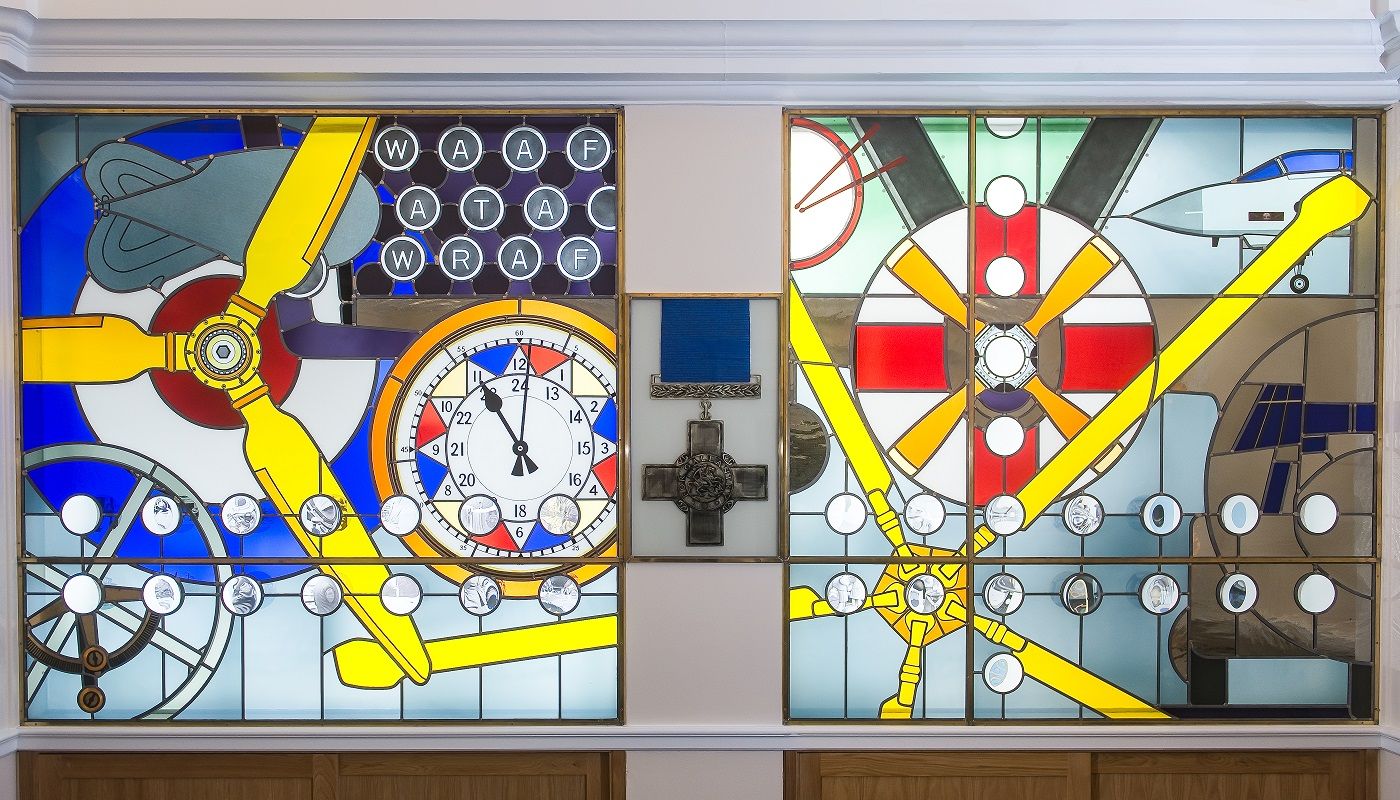
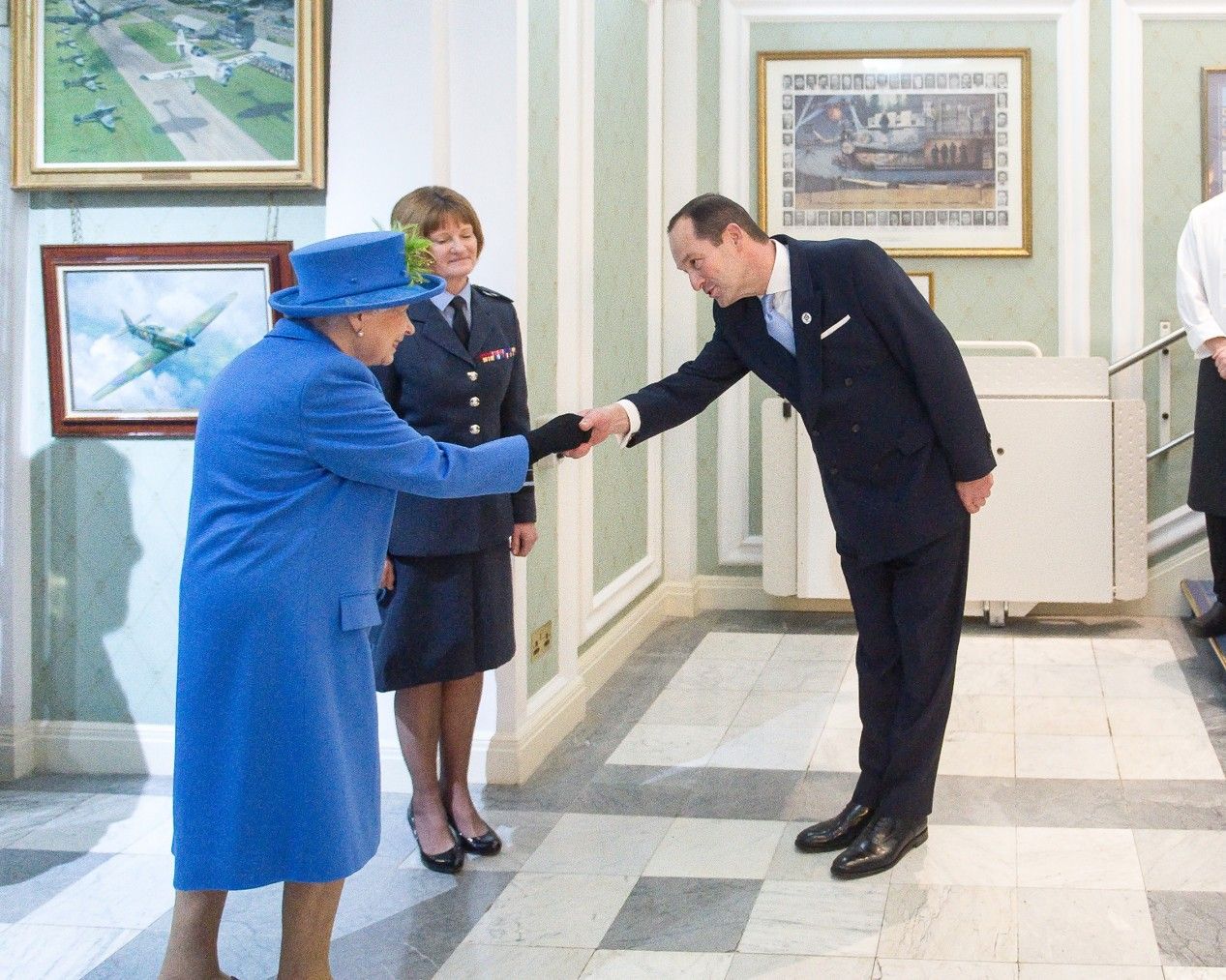
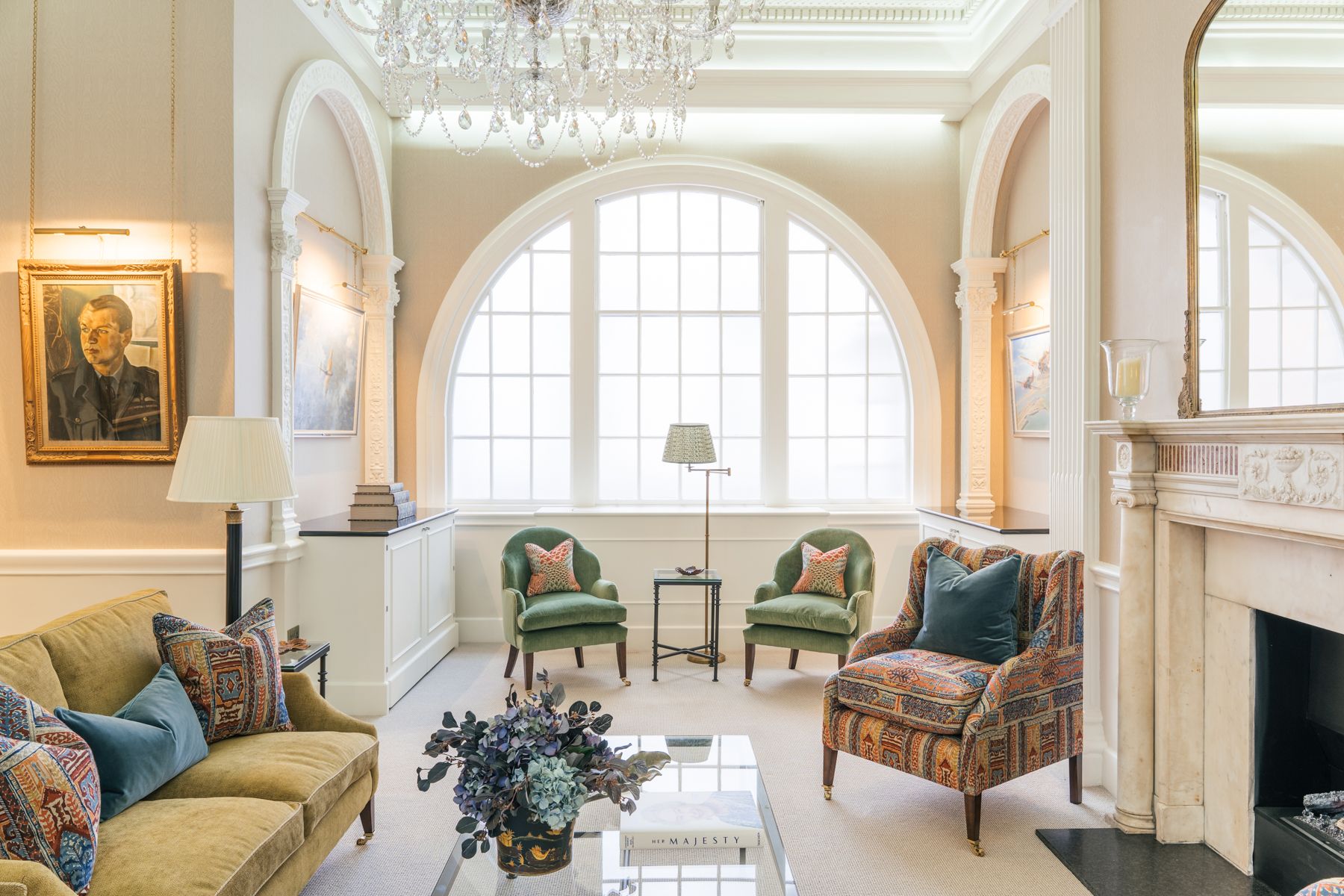
It is an important component of the Club's offering. With 110 bedrooms we are a large Club and accommodation contributes significantly to our ongoing success. This is partly why the Club embarked on a project in 2018 to add 17 additional bedrooms as part of the Clubs centenary project and celebrations ,which culminated in a visit from our then Patron, The late Queen Elizabeth II. Demand for accommodation stays strong, often withstanding other external market influences that hotel operators may experience. So accommodation has always been, and I'm sure will stay critical to our success.
As London's hospitality market becomes increasingly competitive, what do you believe makes the RAF Club unique?
The RAF Club occupies a unique position within London's hospitality landscape. It combines a rich military heritage with a strong sense of community and an exceptional central location. Unlike many commercial hospitality venues, the Club offers members and guests a genuine connection to history, service and shared values. That sense of belonging is difficult to replicate and remains one of our greatest differentiators.
How do you approach investment decisions when balancing the preservation of a historic building with the need to modernise facilities and guest experiences?
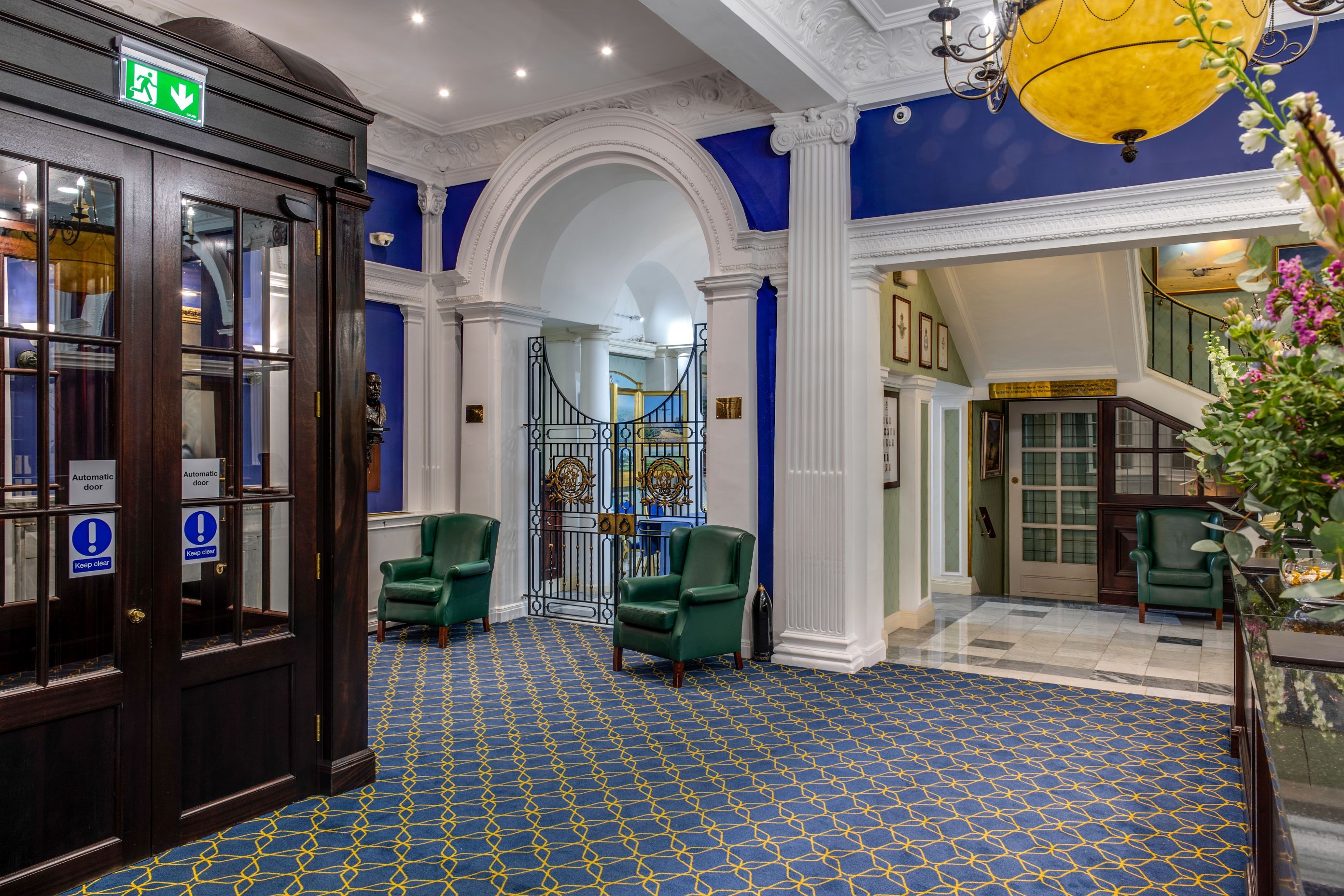
Every investment decision begins with understanding how it supports the Club's long-term vision and the needs of our members. In a historic building, there is always a balance between conservation and improvement. Along with our Board or Trustees, we take a measured approach, ensuring that any enhancements respect the architectural and historical significance of the property while delivering tangible benefits in terms of comfort, functionality and operational efficiency, for our members and our team
Looking at the wider hospitality industry, what trends are you most excited about, and which do you think are overhyped?
I am particularly excited by the growing use of technology to enhance, rather than replace, personal service. Tools that improve efficiency and enable greater personalisation have enormous potential. I am also encouraged by the industry's increasing focus on sustainability and employee wellbeing.
As for trends that may be overhyped, I think there can sometimes be a tendency to chase technology for its own sake. Hospitality is fundamentally about people, and any innovation should enhance an experience rather than complicate it or diminish the human connection.
Looking ahead five years, what would success look like for the RAF Club?
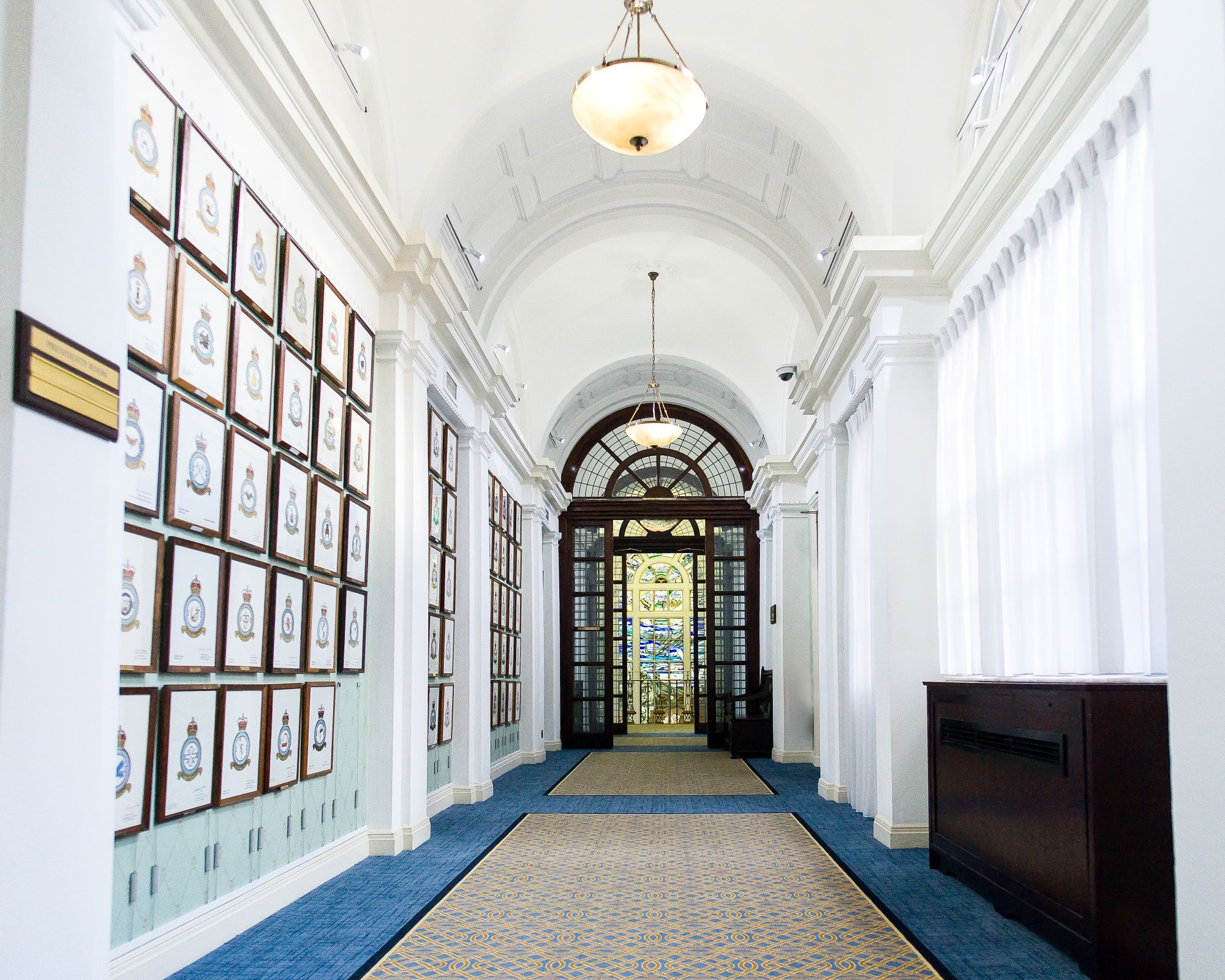
Success would mean remaining true to our heritage while continuing to evolve as a vibrant and relevant club for future generations. I would like to maintain levels of exceptional member and team engagement, ongoing investment in our facilities and to maintain our reputation as one of London's most respected private members clubs. Most importantly, success would mean that members and our team continue to feel proud of their connection to the RAF Club.
)
)
)
)
)
)
)
)
)
)
)
)
)
)
)
)
)
)
)
)
)
)
)
)
)
)
)
)
)
)
)
)
)
)
)
)
)
)
)
)
)
)
)