)

Hotelier Edit: Jenny Oh on transforming Hotel Gotham into The Rex
For this edition of The Hotelier Edit, we speak to Jenny Oh, General Manager of The Rex, Manchester's newly reimagined luxury hotel housed within the city's iconic former Midland Bank building.
Following the transition from the much-loved Hotel Gotham brand, Jenny shares the thinking behind the hotel's evolution, how guest expectations have changed over the past decade, and why authenticity, community and meaningful experiences are becoming increasingly important in luxury hospitality.
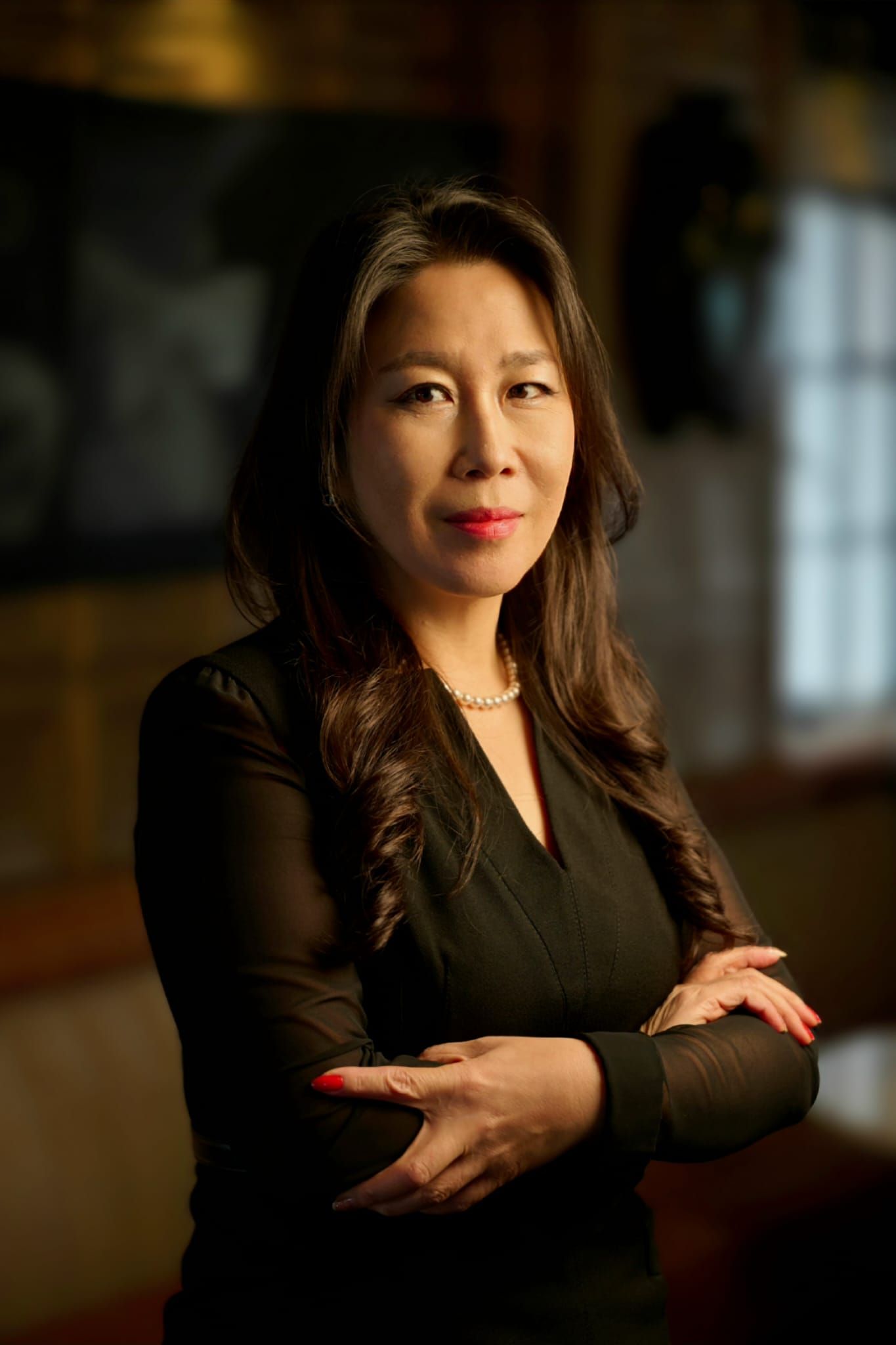
What was the thinking behind the move from Hotel Gotham to The Rex, and what did you want the new brand to represent?
I think it's important to start by saying that Gotham was an incredibly successful brand and created something truly distinctive in Manchester. It built a loyal following and became part of the city's hospitality landscape. The move to The Rex wasn't about walking away from that success. It was about evolving it.
The Rex feels more open, more expressive and more connected to Manchester today. We wanted to create a hotel that still had character and individuality but felt less like a themed experience and more like a destination people could make their own. For me, The Rex represents confidence without pretence. It celebrates great hospitality, food, drink, design and experiences, but ultimately it's about making people feel comfortable, welcome and valued. That's what hospitality should always be about.
Tell us about the transformation of the hotel. What was the brief?
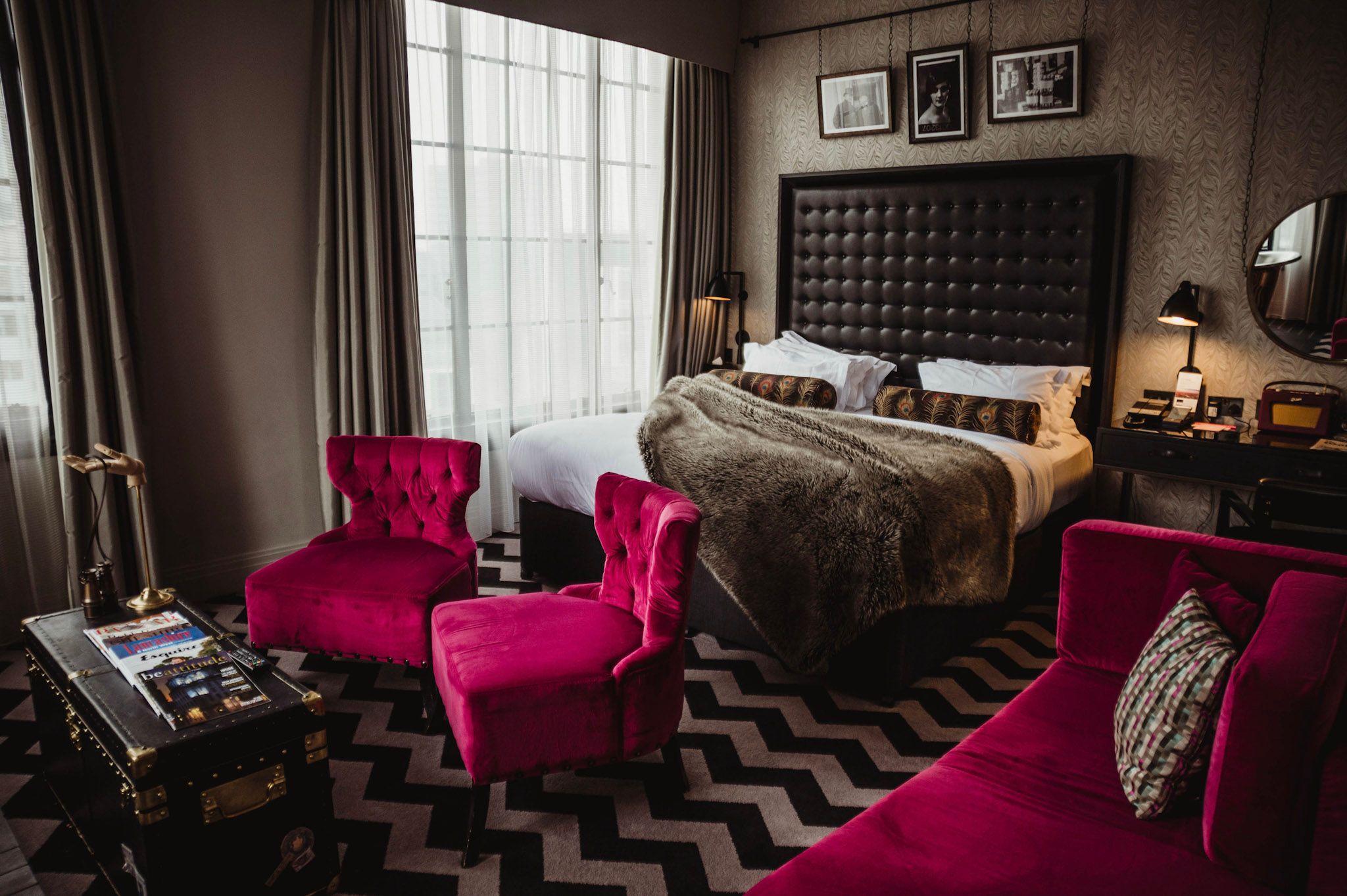
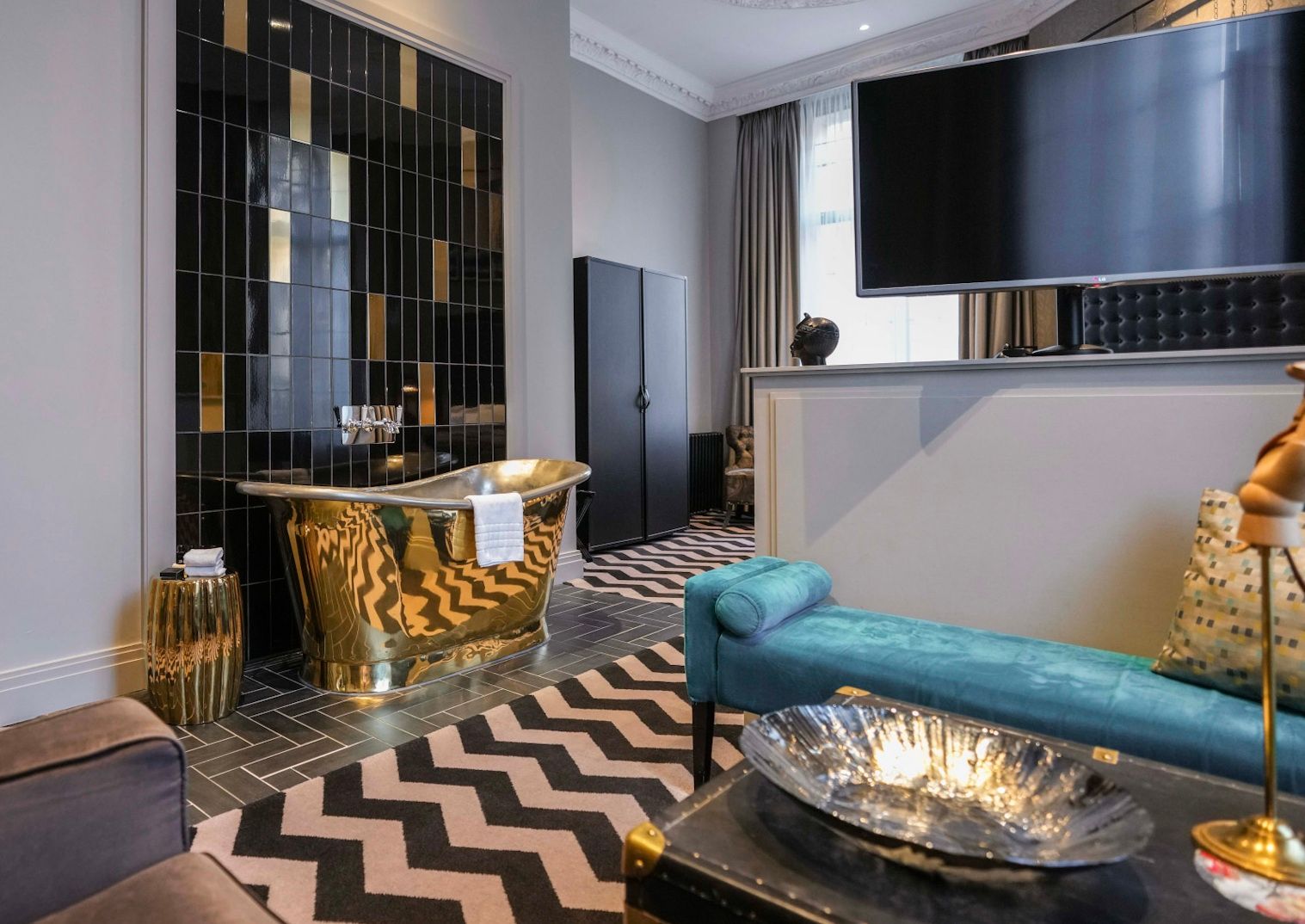
The brief was actually quite simple, although delivering it was far more complex. We wanted to respect the incredible heritage of the building while creating something that felt relevant for modern guests. The building has such a rich history, and we never wanted to lose that sense of place.
At the same time, guest expectations have changed dramatically over the last ten years. People want beautiful spaces, but they also want flexibility, authenticity and experiences that feel personal. The transformation wasn't just physical. It was also cultural. We challenged ourselves to think differently about how guests use the hotel, how members interact with the space and how we create moments that people genuinely remember. For me, the best hotel transformations are not about changing everything. They're about identifying what makes a property special and making that shine even brighter.
How do you think luxury hotel guests have changed since the property first opened in 2015?
Luxury has become much more personal. Ten years ago, luxury was often defined by things: bigger rooms, expensive materials, formal service and visible opulence. Those things still matter, but they are no longer enough on their own. Today's guests are incredibly well travelled. They have experienced some of the best hotels, restaurants and destinations in the world. What they remember isn't necessarily the marble bathroom. It's how a place made them feel.
Guests are looking for authenticity, meaningful experiences and genuine connections. They want service to feel natural rather than scripted. They want recommendations from people who genuinely know the city. They want memorable moments that can't be replicated elsewhere. I think that's actually a positive change because it takes hospitality back to its roots: looking after people.
Tell us about the membership offering at The Rex
One of the biggest changes in hospitality over the last decade is that hotels are no longer just places where people sleep. The best hotels have become part of people's lifestyles. Reserve was created because we wanted to build a community, not just a customer base. Of course, members enjoy benefits such as exclusive events, priority access and a beautiful space overlooking the city, but what makes Reserve special is the people. It brings together entrepreneurs, creatives, professionals, business leaders and people who simply enjoy great hospitality.
For the hotel, it creates a stronger connection with our guests and with Manchester itself. For members, it offers a sense of belonging and familiarity. In a world where so much interaction happens digitally, people still value genuine face-to-face connections. That's something I believe will never go out of fashion.
The Rex combines hotel stays, dining, events and member experiences under one roof. How do you make those different parts of the business work in harmony?
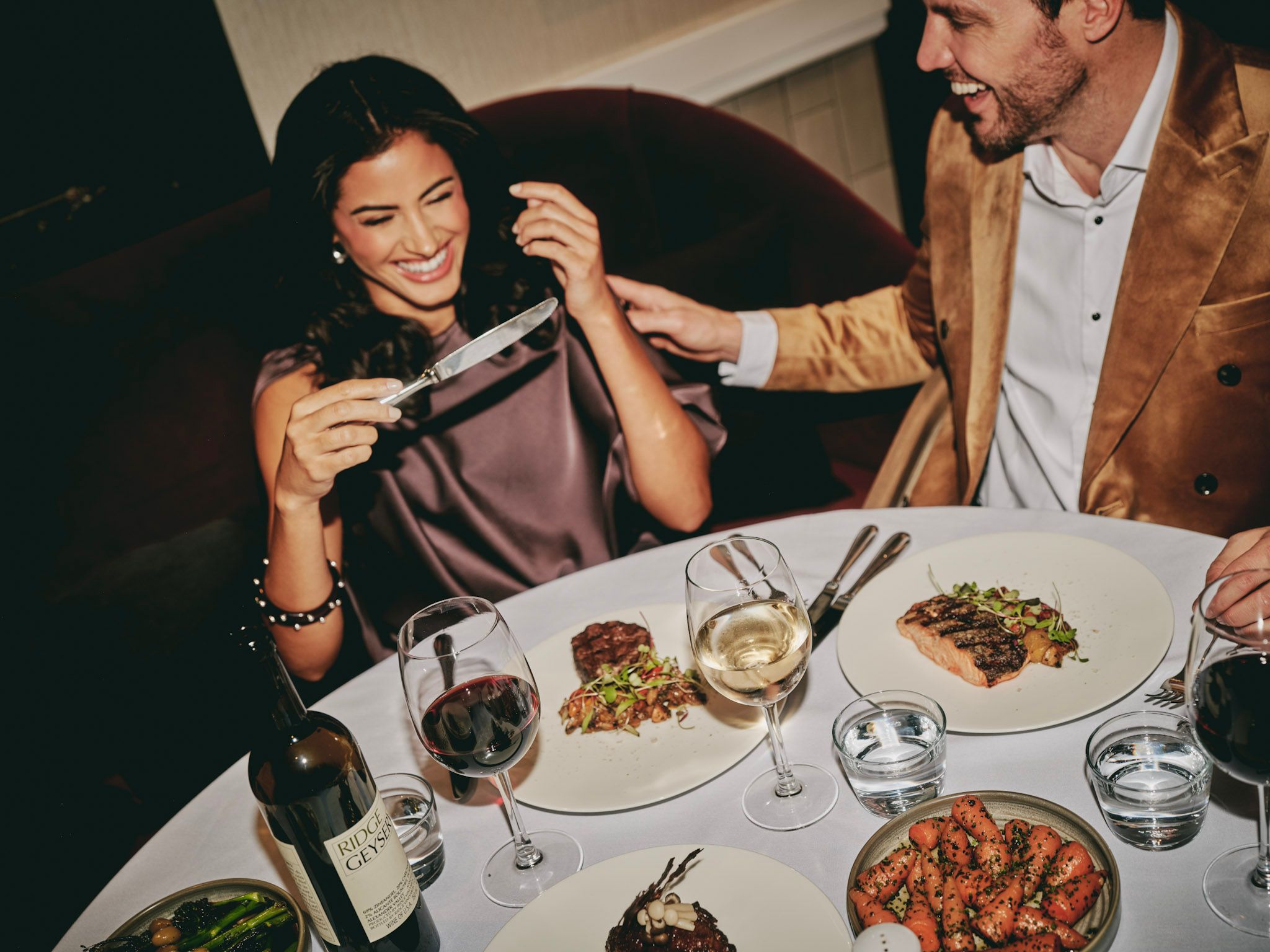
I think the simple answer is communication. The reality is that guests don't see departments. They don't see Front Office, Housekeeping, Food & Beverage or Events. They see one experience. One thing I've learned over my 25 years in hospitality is that the most successful hotels break down silos. Every team member needs to understand the bigger picture and how their role contributes to the guest journey.
At The Rex, we spend a lot of time encouraging collaboration between teams. If a guest is staying with us for a celebration, dining in the restaurant and attending an event, those experiences should feel seamless. Ultimately, hospitality is a team sport. The guest experience is only as strong as the communication behind the scenes.
The hotel puts a strong focus on privacy and discretion. Why do you think those qualities matter so much to modern luxury guests?
I think privacy has become one of the greatest luxuries of all. We live in a world where people are constantly connected, constantly available and constantly being interrupted. For many guests, a hotel stay is one of the few opportunities they have to completely switch off.
Discretion has always been important in luxury hospitality, but I think guests value it even more today. Whether they're a business leader, a celebrity or simply someone enjoying a weekend away, people want to feel comfortable, relaxed and respected. For me, true luxury isn't about being recognised. It's about feeling understood. The best hospitality anticipates what guests need without being intrusive. It's there when you need it and invisible when you don't.
Manchester's hotel scene has become much more competitive in recent years. What do you think guests are looking for from boutique hotels now?
Manchester's hospitality scene has evolved enormously, which is fantastic for the city. Guests now have more choices than ever before, which means boutique hotels need to work harder to stand out. Beautiful bedrooms and good design are expected as standard. What guests are really looking for is personality, I think. They want somewhere with a story. They want a connection to the city they're visiting. They want memorable food and drink experiences, great service and a sense that they're staying somewhere unique rather than somewhere that could be in any city in the world.
As someone who loves hospitality, I think that's exciting. It pushes all of us to be more creative, more authentic and more guest focused. The hotels that succeed will be the ones that create emotional connections, not just transactions.
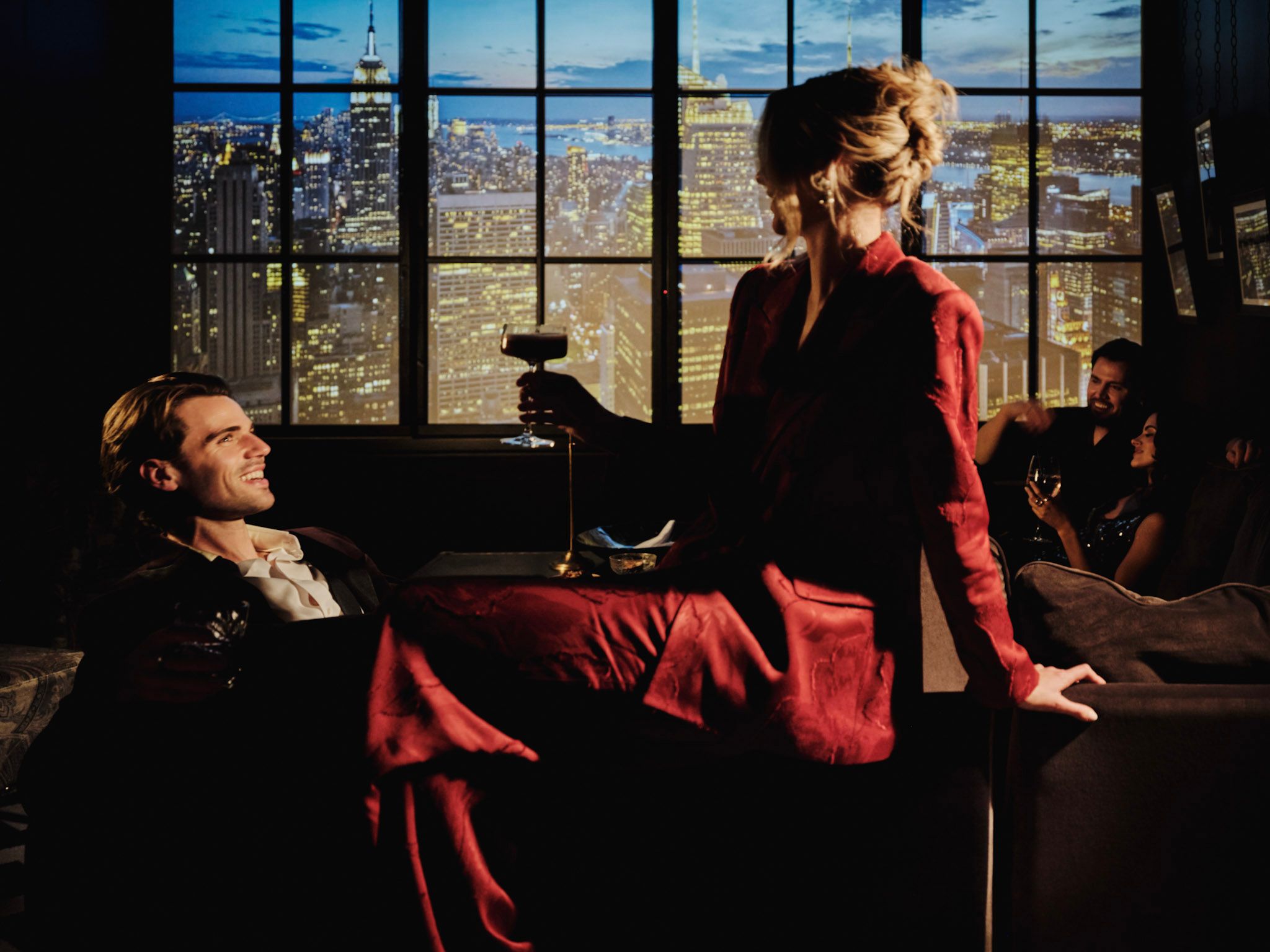
The building has a huge amount of history and character. How do you modernise a hotel like this without losing what makes it special?
One of the things I love most about this building is that it tells a story. Long before it became a hotel, it played an important role in Manchester's commercial history. I think guests increasingly want that sense of authenticity. They don't want to stay somewhere that feels generic. For us, modernisation isn't about removing history. It's about making history relevant. We can introduce modern technology, contemporary dining experiences and new guest experiences while still celebrating the architecture, craftsmanship and heritage that make the building unique. Manchester itself is a wonderful example of this balance. It embraces innovation while remaining incredibly proud of its past. I think The Rex reflects that same philosophy.
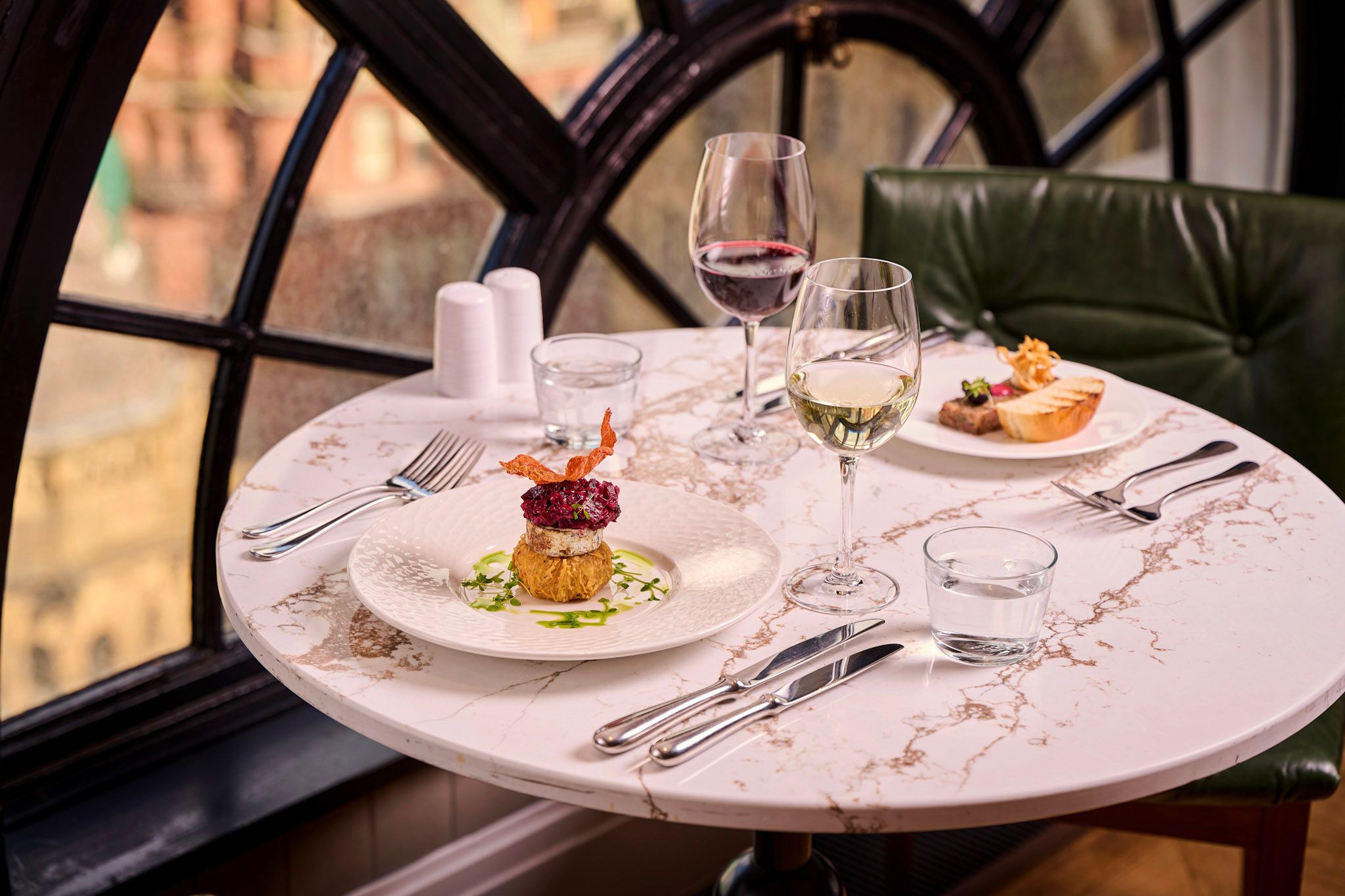
Looking ahead, what do you think will define a successful luxury hotel over the next five years?
For me, it comes back to people. Technology will continue to evolve. AI will become more integrated into hospitality. Guest expectations will continue to change. But the fundamental reason people choose great hotels will remain the same. They want to feel welcome.
I started my career as a waitress and have spent more than 25 years in hospitality and I am a very well travelled individual. But I can tell you that throughout that time, the most memorable hotels have never been the ones with the most expensive furniture or the biggest budgets. They have been the ones where people genuinely cared. The hotels that thrive over the next five years will be those that combine innovation with humanity. They will use technology to remove friction from the guest journey, but they will never lose the personal touch.
I also think successful luxury hotels will become even more connected to their local communities. Guests want authentic experiences, local knowledge and meaningful connections with the destination they're visiting. Ultimately, luxury is becoming less about what a hotel has and more about how a hotel makes people feel. That's a trend I don't see changing anytime soon.
)
)
)
)
)
)
)
)
)
)
)
)
)
)
)
)
)
)
)
)
)
)
)
)
)
)
)
)
)
)
)
)
)
)
)
)
)
)
)
)
)
)
)