
The hotel that never sleeps: Using AI and automation around the clock
Hospitality operates around the clock, but hotel teams need time to switch off. With guests researching stays, making bookings and asking questions at all hours, how can independent hotels deliver a responsive service while managing the demands on their people?
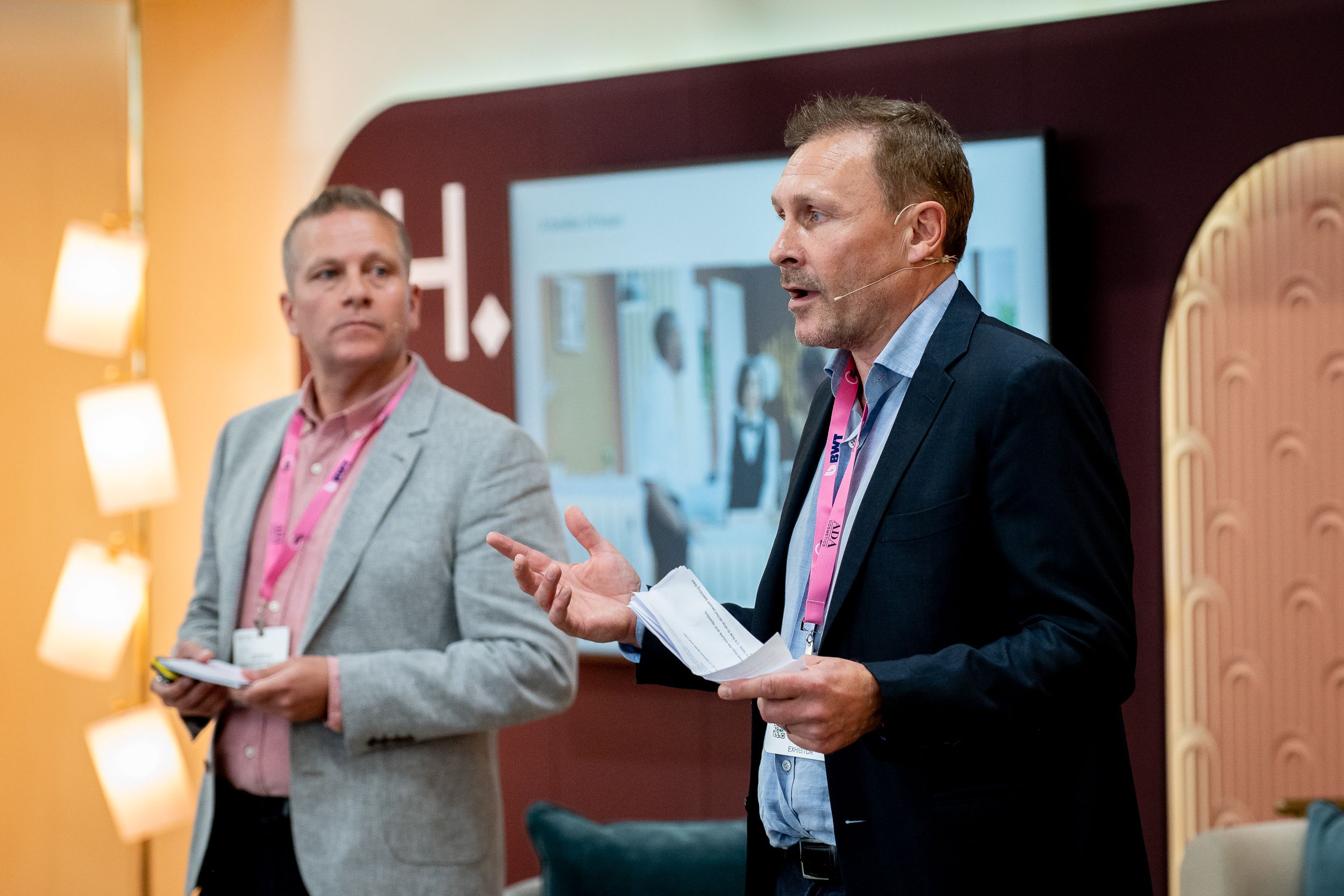
At Independent Hotel Show London 2026, Gwénaël Merlin, EVP Partnerships & Strategic Initiatives at eviivo, and Lee Bryan, Head of Distribution at eviivo, explored how AI and automation can support hotels throughout the guest journey.
Their session, ‘The hotel that never sleeps: Using AI and automation around the clock’, examined the opportunities to reduce manual administration, improve booking experiences and give teams greater visibility over daily operations.
Meeting expectations for instant answers
Guests increasingly expect information to be available immediately. As generative AI platforms change how people search and plan trips, hotels need to consider how easily prospective guests can find accurate answers about their properties.
Questions about parking, breakfast, accessibility or late arrivals can influence a booking decision. If the information is difficult to find, visitors may move on before contacting the hotel.
The speakers explored how an AI concierge can help bridge this gap, drawing on property information to respond to enquiries outside reception hours. Alongside answering practical questions, it can guide visitors towards booking and suggest relevant experiences, attractions and additional services.
The quality of that support depends on the information available to it. Keeping room details, policies and local recommendations current is therefore an essential part of making these tools useful.
Bringing distribution together
Managing multiple booking channels can create a significant administrative burden, particularly when teams need to update rates, availability and property information across different platforms.
Bryan and Merlin highlighted the role of real-time channel management in bringing this activity into one place. Synchronising inventory across connected channels helps reduce the risk of overbookings and gives staff fewer systems to update manually.
Consistency extends beyond room availability. Descriptions, images, amenities, policies and additional charges all shape expectations before arrival. Keeping these details aligned helps guests make informed decisions and reduces the potential for confusion later.
Using AI to inform pricing and promotions
Pricing was another area where the speakers explored the potential of automation. AI-supported tools can analyse demand patterns, competitor rates and external factors to inform rate recommendations, helping hoteliers respond to changing trading conditions.
For independent operators, the value lies partly in reducing the time spent gathering and interpreting this information. However, the session also emphasised transparency and control: hoteliers need to understand recommendations, adjust the parameters and override decisions when required.
Promotions offer another opportunity to apply these insights. By identifying periods that need additional demand, hotels can take a more targeted approach to offers and encourage previous guests to return.
Connecting payments and financial reporting
The session also examined the administration behind each booking, including payment collection and reconciliation.
Integrated payment processes can help teams manage different payment methods and virtual credit cards with fewer manual steps. The speakers discussed tokenisation and payment security alongside the importance of clear financial reporting.
End-of-day reports and trial balances remain important tools for understanding transactions and identifying discrepancies. Connecting these processes gives teams a clearer view of financial activity and helps them investigate exceptions.
Making the website work harder
A hotel website has to do more than showcase attractive rooms. It needs to answer questions, communicate what makes the property distinctive and provide a straightforward route to booking.
The speakers highlighted the value of current, informative, multilingual and mobile-friendly websites. Digital concierge features can support this experience, helping visitors explore the property and plan their stay.
Local knowledge is particularly valuable for independent hotels. Recommendations for restaurants, attractions and experiences can bring the destination to life, while relevant partnerships and add-ons create opportunities to increase the value of a booking.
Giving teams a clearer view of the day
Behind the scenes, centralised information can also help staff manage their workload. A live view of bookings, tasks, special requests and upcoming arrivals makes it easier to see what needs attention.
That visibility supports a more consistent service, particularly when information needs to pass between colleagues or departments. It also helps teams identify situations that require personal judgement and act on them promptly.
Across the session, the practical opportunity was clear: use AI and automation to keep information flowing, support guests outside normal working hours and reduce repetitive administration. For independent hotels, those efficiencies can give teams more capacity to deliver the attentive, personal hospitality that guests remember.
Find out more at eviivo.com/eviivo-ai/

















)