)

Hospitality Action's Mark Lewis on on supporting hotel teams, improving workplace wellbeing and starting honest conversations
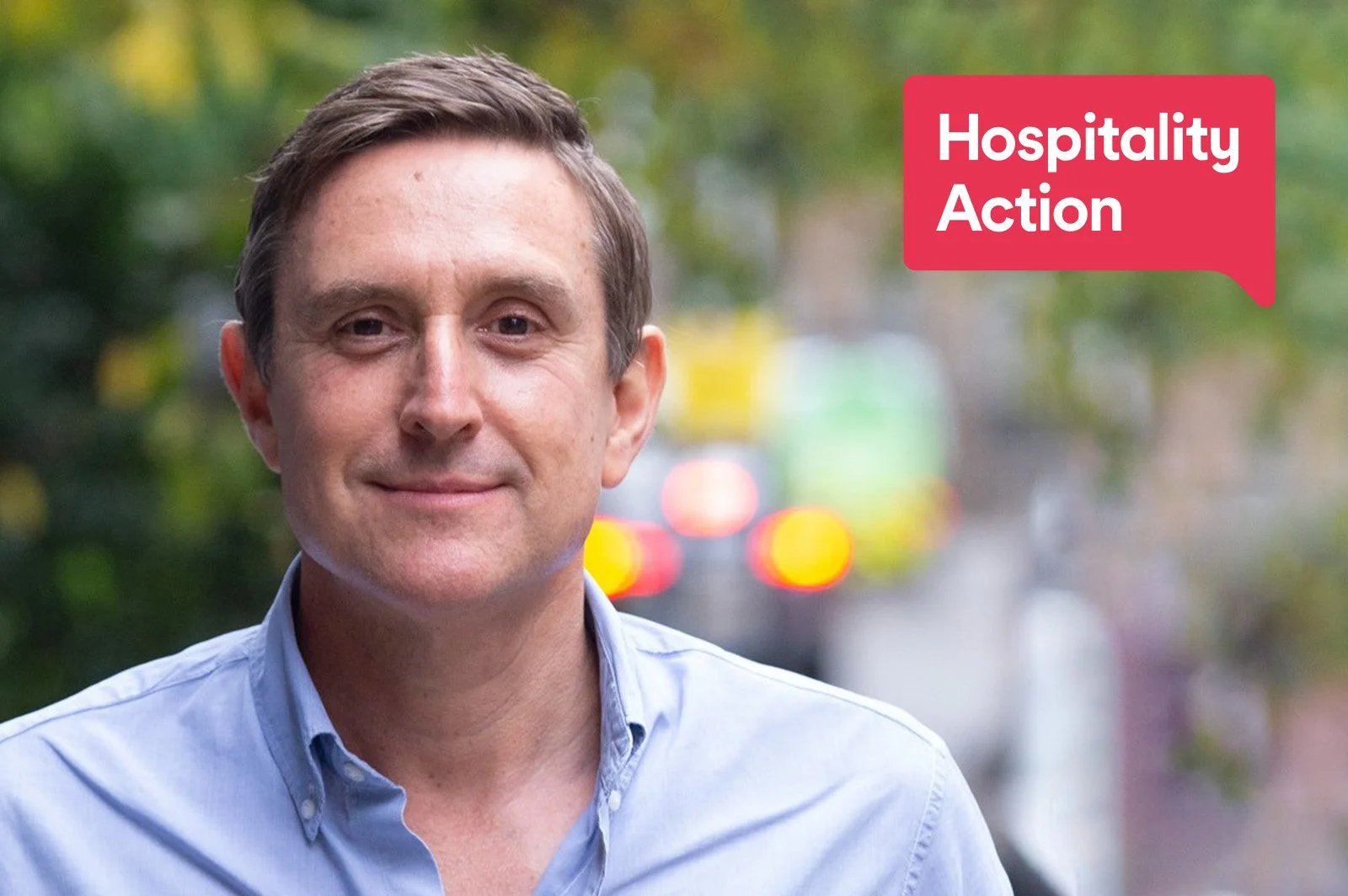
The Independent Hotel Show catches up with Mark Lewis, CEO of hospitality charity Hospitality Action, to learn more about the charities resources for hotel professionals and how to encourage more open conversations in the industry around personal struggles and mental health.
Tell us about Hospitality Action in a nutshell
Hospitality Action is the charity for the hospitality industry. For over 185 years, we’ve been here to support people when life gets tough, whether that’s through financial assistance, mental health and wellbeing support, advice, or simply having someone to talk to.
We understand the unique pressures that come with working in hospitality because we’re part of the industry too. Our role is to make sure that no one working in hospitality feels they have to face difficult times alone.
How can the charity support teams at independent hotels?
For independent hotels specifically, having an additional line of support beyond your own team can be incredibly valuable. As a small or independent business, you might not always have the resources or specialist support that a larger organisation can offer, and that’s where Hospitality Action comes in.
Our helpline provides a confidential place for people to turn when they’re struggling, while our wider range of services can offer support with everything from mental health and wellbeing to financial difficulties. We’re here as an extra layer of support for your people, whenever they need us.
How can the hospitality industry support Hospitality Action?
There are a lot of ways, and fundraising is obviously a really important one. Whether it’s taking part in one of our events, organising a challenge within your hotel, encouraging guests to get involved or simply donating, every contribution helps us continue supporting people across hospitality.
But supporting Hospitality Action isn’t just about raising money. One of the most valuable things hotels can do is make sure their people know we’re here.
We’d also encourage hotels to get involved in things like our Walk for Wellbeing. It’s a great example of how you can bring people together, get conversations around mental health started, encourage your teams to look after their own wellbeing and raise money at the same time.
We want Hospitality Action to be part of the fabric of our great industry, something hotels know about, talk about and engage with throughout the year, rather than something they only discover when someone is already struggling.
What are some of the charity’s major priorities in the coming months?
A big priority for us is keeping the conversation around the findings from our Taking the Temperature survey moving. We’ve shared the results, but that’s really where the work begins. Behind every statistic is a person, and we want to make sure the insight we’ve gathered leads to better support for the people who keep our industry going.
We’re also getting ready for our Walk for Wellbeing this October, which is one of my favourite ways to bring the industry together. It’s about putting wellbeing into action, getting outside, taking some time for yourself, talking openly about mental health and reminding each other that none of us has to navigate difficult times alone.
Later in the year, we’ll also be bringing people together at events including our Winter Chef Dinner and Northern Chef Dinner. These are brilliant occasions to celebrate the generosity and spirit of hospitality, while raising the funds that allow us to be there for people when they really need us.
What tools and resources are available on the Hospitality Action website?
There’s a huge amount of support available on our website because we know that everyone’s circumstances are different. Sometimes you need practical help, sometimes you need someone to talk to, and sometimes you’re simply looking for a bit of guidance on how to support yourself or someone in your team.
If money is a worry, for example, you can find out about our grants and apply for financial support online. If you’re struggling with your mental health or wellbeing, there are online training and courses, our Employee Assistance Programme, as well as practical advice covering a whole range of challenges.
I’d encourage everyone working in hospitality to have a look around the website. You never know when you, a colleague or someone you care about might need that extra bit of support, and we want to make sure that when that moment comes, the first step towards getting help is an easy one.
If hoteliers visiting the show could walk away from your stand with one message, what would it be?
Hospitality is an amazing industry to work in. It’s full of brilliant people, incredible experiences and a real sense of community. But, like in any industry, there will be times when things don’t feel quite so easy, and we all need a little extra support.
When that happens, I want every person working in hospitality to know that they don’t have to face it alone. Hospitality Action is here to support them, whether they’re dealing with financial pressures, struggling with their mental health, facing a difficult situation at home or simply don’t know where to turn.
No matter your role in hospitality or your seniority, you’re all part of a much bigger hospitality family. When you need us, we’ve got you.
Our theme for the 2026 edition of the Independent Hotel Show is ‘Shaping Tomorrow’ – if you could make one prediction for the future of hospitality what would it be?
For a long time, there’s been a sense that you leave your personal challenges at the door when you come to work. However, our Taking the Temperature survey shows that more people are feeling able to have open conversations about their mental health at work, and more are telling us that their workplace has created an environment where those conversations can happen.
My prediction is that we’ll see a hospitality industry where talking about how you’re really doing becomes as normal as talking about how your shift went. It doesn’t mean we can solve every problem at work, but it does mean we can create workplaces where people feel seen, heard and supported.
)
)
)
)
)
)
)
)
)
)
)
)
)
)
)
)
)
)
)
)
)
)
)
)
)
)
)
)
)
)
)
)
)
)
)
)
)
)
)
)
)
)
)