
AI and talent pipeline top independent hoteliers’ concerns, says SAVVY Collective Founder
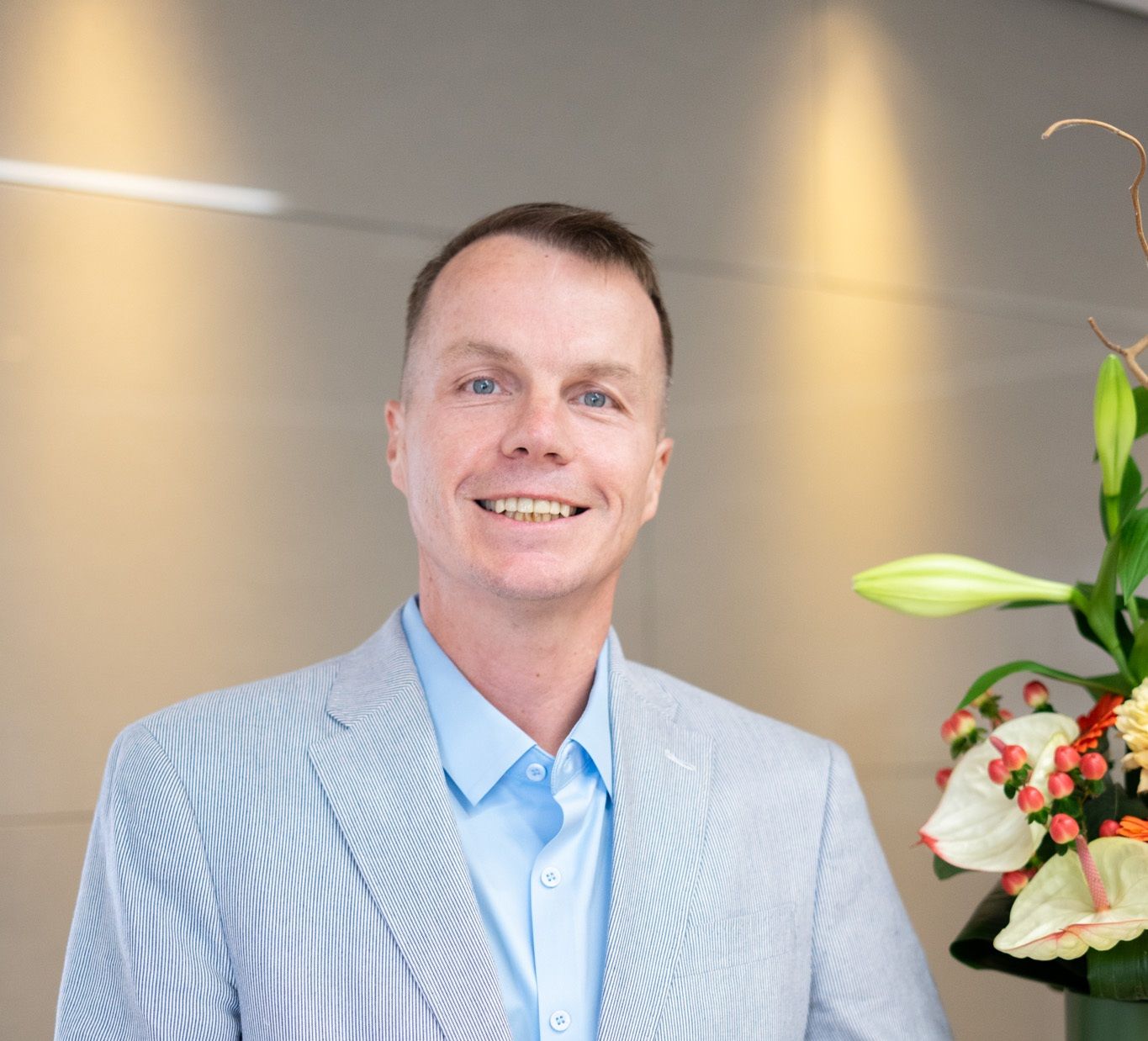
Artificial intelligence and the future of hospitality recruitment emerged as two pressing issues for independent hoteliers at the Independent Hotel Show 2026 in London, according to Steven Hesketh (pictured), Founder and CEO of SAVVY Collective.
Speaking after two days at the event, Mr Hesketh said: “For me there were two key topics that dominated the event. The first was identifying where AI can improve commercial performance and operational efficiency. The second was ensuring the industry continues to attract the people needed to deliver the personal service on which its reputation depends.
“For independent hotels, the question is no longer simply whether to adopt AI, but how to use it effectively in businesses where time, resources and margins are often under pressure.”
He added: “AI presents real opportunities for independent hoteliers, particularly when it comes to working more efficiently and improving commercial performance. But technology alone will not define the future of hospitality. We must make sure we are investing just as much thought and energy into the people who will deliver the guest experience of tomorrow.”
Mr Hesketh’s comments come weeks after chef Tom Kerridge called for the Government to create a dedicated Ministry for Hospitality, warning that policy affecting the sector remains too fragmented across departments.
Mr Hesketh, who has worked in hospitality for more than 30 years, pointed out that the industry supports around 3.5 million jobs in the UK, roughly one in ten of all jobs, contributes approximately £93 billion directly to the economy and generates around £54 billion in tax.
Figures show 1,839 licensed venues closed during the second quarter of 2026, with a similar number opening over the same period.
He said: "The data shows there is still plenty of confidence and ambition in the industry. But I don't think we should look at that and say everything is fine."
"The biggest problem is that decisions affecting hospitality businesses are made across different Government departments, with business rates, employment costs, licensing, planning, VAT, National Insurance, apprenticeships, skills and energy costs all considered separately despite landing on the same business at the same time.
"When you actually run a hospitality business, none of these things are separate. They all affect the same P&L. And sometimes it feels like policies are being made without anyone looking at the full picture."
"A dedicated Ministry for Hospitality would not solve every problem," he said. "But at least there would be somebody whose job it is to understand the problems properly. Someone to connect the dots, someone to challenge decisions where necessary, and someone sitting at the table speaking for an industry that employs millions of people."
SAVVY Collective is tackling the issue through Bee Our Guest, its educational book designed to introduce younger audiences to hospitality and encourage schools to explore careers across the sector.
Mr Hesketh said: “If we want a strong hospitality industry in the future, we need to start engaging with young people earlier and show them that hospitality offers exciting, varied and rewarding careers. Developing that next generation is a responsibility the whole industry needs to take seriously.”
SAVVY Collective, which draws on hotel ownership and operational experience, also used the event to meet independent operators looking to strengthen performance, develop management partnerships and support future growth.

















)